Scheduling overhead is the extra time spent by the system or the algorithm to distribute work on multiple threads/tasks.
Note 1: ETH::2. Semester::PProg
Deck: ETH::2. Semester::PProg
Note Type: Horvath Cloze
GUID:
deleted
Note Type: Horvath Cloze
GUID:
Ctz
Deleted Note
Front
Back
Scheduling overhead is the extra time spent by the system or the algorithm to distribute work on multiple threads/tasks.
Current
Note has been deleted
Field-by-field Comparison
| Field | Before | After |
|---|---|---|
| Text |
Note 2: ETH::2. Semester::PProg
Deck: ETH::2. Semester::PProg
Note Type: Horvath Cloze
GUID:
deleted
Note Type: Horvath Cloze
GUID:
DLk>&IUdG/
Deleted Note
Front
Concurrency \(\Leftarrow\) Parallelism
Back
Concurrency \(\Leftarrow\) Parallelism
Current
Note has been deleted
Field-by-field Comparison
| Field | Before | After |
|---|---|---|
| Text |
Note 3: ETH::2. Semester::PProg
Deck: ETH::2. Semester::PProg
Note Type: Horvath Cloze
GUID:
deleted
Note Type: Horvath Cloze
GUID:
DR#[(B?d4d
Deleted Note
Front
A functional unit is a component of a CPU (or core) that performs a certain task, an execution unit is one such example.
Back
A functional unit is a component of a CPU (or core) that performs a certain task, an execution unit is one such example.
performing a task - e.g. executing integer arithmetic operations
Current
Note has been deleted
Field-by-field Comparison
| Field | Before | After |
|---|---|---|
| Text | ||
| Extra |
Note 4: ETH::2. Semester::PProg
Deck: ETH::2. Semester::PProg
Note Type: Horvath Cloze
GUID:
deleted
Note Type: Horvath Cloze
GUID:
DiKJq81cx0
Deleted Note
Front
Events here are typically scheduler interactions causing different interleavings, but could also be, e.g. changing network latency.
Back
Events here are typically scheduler interactions causing different interleavings, but could also be, e.g. changing network latency.
Current
Note has been deleted
Field-by-field Comparison
| Field | Before | After |
|---|---|---|
| Text |
Note 5: ETH::2. Semester::PProg
Deck: ETH::2. Semester::PProg
Note Type: Horvath Cloze
GUID:
deleted
Note Type: Horvath Cloze
GUID:
Dv[#nR{k`*
Deleted Note
Front
A statement or instruction is (truly) atomic if it is executed by the CPU in a single, non-interruptible step.
Back
A statement or instruction is (truly) atomic if it is executed by the CPU in a single, non-interruptible step.
Current
Note has been deleted
Field-by-field Comparison
| Field | Before | After |
|---|---|---|
| Text |
Note 6: ETH::2. Semester::PProg
Deck: ETH::2. Semester::PProg
Note Type: Horvath Cloze
GUID:
deleted
Note Type: Horvath Cloze
GUID:
F@`C!Z*]zr
Deleted Note
Front
Context switch overhead refers to resources required to set up an operation.
Back
Context switch overhead refers to resources required to set up an operation.
Current
Note has been deleted
Field-by-field Comparison
| Field | Before | After |
|---|---|---|
| Text |
Note 7: ETH::2. Semester::PProg
Deck: ETH::2. Semester::PProg
Note Type: Horvath Cloze
GUID:
deleted
Note Type: Horvath Cloze
GUID:
FKu}=}:F8|
Deleted Note
Front
Given multiple threads, each executing a sequence of instructions, an interleaving is a sequence of instructions obtained from merging the individual sequences.
Back
Given multiple threads, each executing a sequence of instructions, an interleaving is a sequence of instructions obtained from merging the individual sequences.
Current
Note has been deleted
Field-by-field Comparison
| Field | Before | After |
|---|---|---|
| Text |
Note 8: ETH::2. Semester::PProg
Deck: ETH::2. Semester::PProg
Note Type: Horvath Cloze
GUID:
deleted
Note Type: Horvath Cloze
GUID:
Fn?QX?wZyt
Deleted Note
Front
A context switch denotes the action of switching a computation unit from one computation to another.
Back
A context switch denotes the action of switching a computation unit from one computation to another.
Current
Note has been deleted
Field-by-field Comparison
| Field | Before | After |
|---|---|---|
| Text |
Note 9: ETH::2. Semester::PProg
Deck: ETH::2. Semester::PProg
Note Type: Horvath Cloze
GUID:
deleted
Note Type: Horvath Cloze
GUID:
GkQ^u.{q`{
Deleted Note
Front
Scalability in our context means: By how much can a program be parallelized. What is the maximum speedup that can be achieved, given an infinite amount of processors.
Back
Scalability in our context means: By how much can a program be parallelized. What is the maximum speedup that can be achieved, given an infinite amount of processors.
Current
Note has been deleted
Field-by-field Comparison
| Field | Before | After |
|---|---|---|
| Text |
Note 10: ETH::2. Semester::PProg
Deck: ETH::2. Semester::PProg
Note Type: Horvath Cloze
GUID:
deleted
Note Type: Horvath Cloze
GUID:
Gx8iRncQ~1
Deleted Note
Front
Parallelism can be specified explicitly by manually assigning tasks to threads or implicitly by using a framework that distributes tasks automatically.
Back
Parallelism can be specified explicitly by manually assigning tasks to threads or implicitly by using a framework that distributes tasks automatically.
Current
Note has been deleted
Field-by-field Comparison
| Field | Before | After |
|---|---|---|
| Text |
Note 11: ETH::2. Semester::PProg
Deck: ETH::2. Semester::PProg
Note Type: Horvath Cloze
GUID:
deleted
Note Type: Horvath Cloze
GUID:
IExk};lu~_
Deleted Note
Front
A map operates on each element of a collection independently to create a new collection of the same size.
Back
A map operates on each element of a collection independently to create a new collection of the same size.
For instance vector addition that computes the sum of a collection of tuples (containing the nth element of both vectors).
Current
Note has been deleted
Field-by-field Comparison
| Field | Before | After |
|---|---|---|
| Text | ||
| Extra |
Note 12: ETH::2. Semester::PProg
Deck: ETH::2. Semester::PProg
Note Type: Horvath Cloze
GUID:
deleted
Note Type: Horvath Cloze
GUID:
IOG>^+Y+Tt
Deleted Note
Front
Lockout means needlessly preventing a thread from entering a critical section.
Back
Lockout means needlessly preventing a thread from entering a critical section.
Current
Note has been deleted
Field-by-field Comparison
| Field | Before | After |
|---|---|---|
| Text |
Note 13: ETH::2. Semester::PProg
Deck: ETH::2. Semester::PProg
Note Type: Horvath Cloze
GUID:
deleted
Note Type: Horvath Cloze
GUID:
I]N`CBnVud
Deleted Note
Front
Amdahl's Law specifies the maximum amount of speedup that can be achieved for a program with a given sequential part. The pessimistic view on scalability.
Back
Amdahl's Law specifies the maximum amount of speedup that can be achieved for a program with a given sequential part. The pessimistic view on scalability.
Current
Note has been deleted
Field-by-field Comparison
| Field | Before | After |
|---|---|---|
| Text |
Note 14: ETH::2. Semester::PProg
Deck: ETH::2. Semester::PProg
Note Type: Horvath Cloze
GUID:
deleted
Note Type: Horvath Cloze
GUID:
Ig1]I+kiPO
Deleted Note
Front
Efficiency is a relative value.
Back
Efficiency is a relative value.
Current
Note has been deleted
Field-by-field Comparison
| Field | Before | After |
|---|---|---|
| Text |
Note 15: ETH::2. Semester::PProg
Deck: ETH::2. Semester::PProg
Note Type: Horvath Cloze
GUID:
deleted
Note Type: Horvath Cloze
GUID:
Ii]YQh:cvR
Deleted Note
Front
Vectorisation uses special machine code instructions to execute a single operation (e.g. plus) on a chunk of data (e.g. an array segment).
Back
Vectorisation uses special machine code instructions to execute a single operation (e.g. plus) on a chunk of data (e.g. an array segment).
Can significantly improve performance.
Current
Note has been deleted
Field-by-field Comparison
| Field | Before | After |
|---|---|---|
| Text | ||
| Extra |
Note 16: ETH::2. Semester::PProg
Deck: ETH::2. Semester::PProg
Note Type: Horvath Cloze
GUID:
deleted
Note Type: Horvath Cloze
GUID:
Ivkg+_~|E~
Deleted Note
Front
With fine granularity, work is split into small tasks. This can be parallelized more, but also adds more overhead.
Back
With fine granularity, work is split into small tasks. This can be parallelized more, but also adds more overhead.
Current
Note has been deleted
Field-by-field Comparison
| Field | Before | After |
|---|---|---|
| Text |
Note 17: ETH::2. Semester::PProg
Deck: ETH::2. Semester::PProg
Note Type: Horvath Cloze
GUID:
deleted
Note Type: Horvath Cloze
GUID:
J$-<~zgXtb
Deleted Note
Front
A process is an independently running instance of a program/application, typically on the operating system level.
Back
A process is an independently running instance of a program/application, typically on the operating system level.
Current
Note has been deleted
Field-by-field Comparison
| Field | Before | After |
|---|---|---|
| Text |
Note 18: ETH::2. Semester::PProg
Deck: ETH::2. Semester::PProg
Note Type: Horvath Cloze
GUID:
deleted
Note Type: Horvath Cloze
GUID:
J>(cyk?,KH
Deleted Note
Front
Mutual exclusion means preventing more than one thread from being in a critical section, i.e. to execute a piece of code, at a given moment in time.
Back
Mutual exclusion means preventing more than one thread from being in a critical section, i.e. to execute a piece of code, at a given moment in time.
Current
Note has been deleted
Field-by-field Comparison
| Field | Before | After |
|---|---|---|
| Text |
Note 19: ETH::2. Semester::PProg
Deck: ETH::2. Semester::PProg
Note Type: Horvath Cloze
GUID:
deleted
Note Type: Horvath Cloze
GUID:
J?RC.oYL|l
Deleted Note
Front
Synchronisation is some form of orchestration via threads.
Back
Synchronisation is some form of orchestration via threads.
Typically used to prevent bad interleavings.
Current
Note has been deleted
Field-by-field Comparison
| Field | Before | After |
|---|---|---|
| Text | ||
| Extra |
Note 20: ETH::2. Semester::PProg
Deck: ETH::2. Semester::PProg
Note Type: Horvath Classic
GUID:
deleted
Note Type: Horvath Classic
GUID:
Jg[_~/e65f
Deleted Note
Front
What does multithreading mean?
Back
What does multithreading mean?
Threads running in parallel.
Current
Note has been deleted
Field-by-field Comparison
| Field | Before | After |
|---|---|---|
| Front | ||
| Back |
Note 21: ETH::2. Semester::PProg
Deck: ETH::2. Semester::PProg
Note Type: Horvath Cloze
GUID:
deleted
Note Type: Horvath Cloze
GUID:
JxOZtN8PCU
Deleted Note
Front
Efficiency = {{c2::\(\frac{S_p}{p}\)}}
Back
Efficiency = {{c2::\(\frac{S_p}{p}\)}}
Current
Note has been deleted
Field-by-field Comparison
| Field | Before | After |
|---|---|---|
| Text |
Note 22: ETH::2. Semester::PProg
Deck: ETH::2. Semester::PProg
Note Type: Horvath Classic
GUID:
deleted
Note Type: Horvath Classic
GUID:
K,fisLmPeW
Deleted Note
Front
What's the problem with notification?
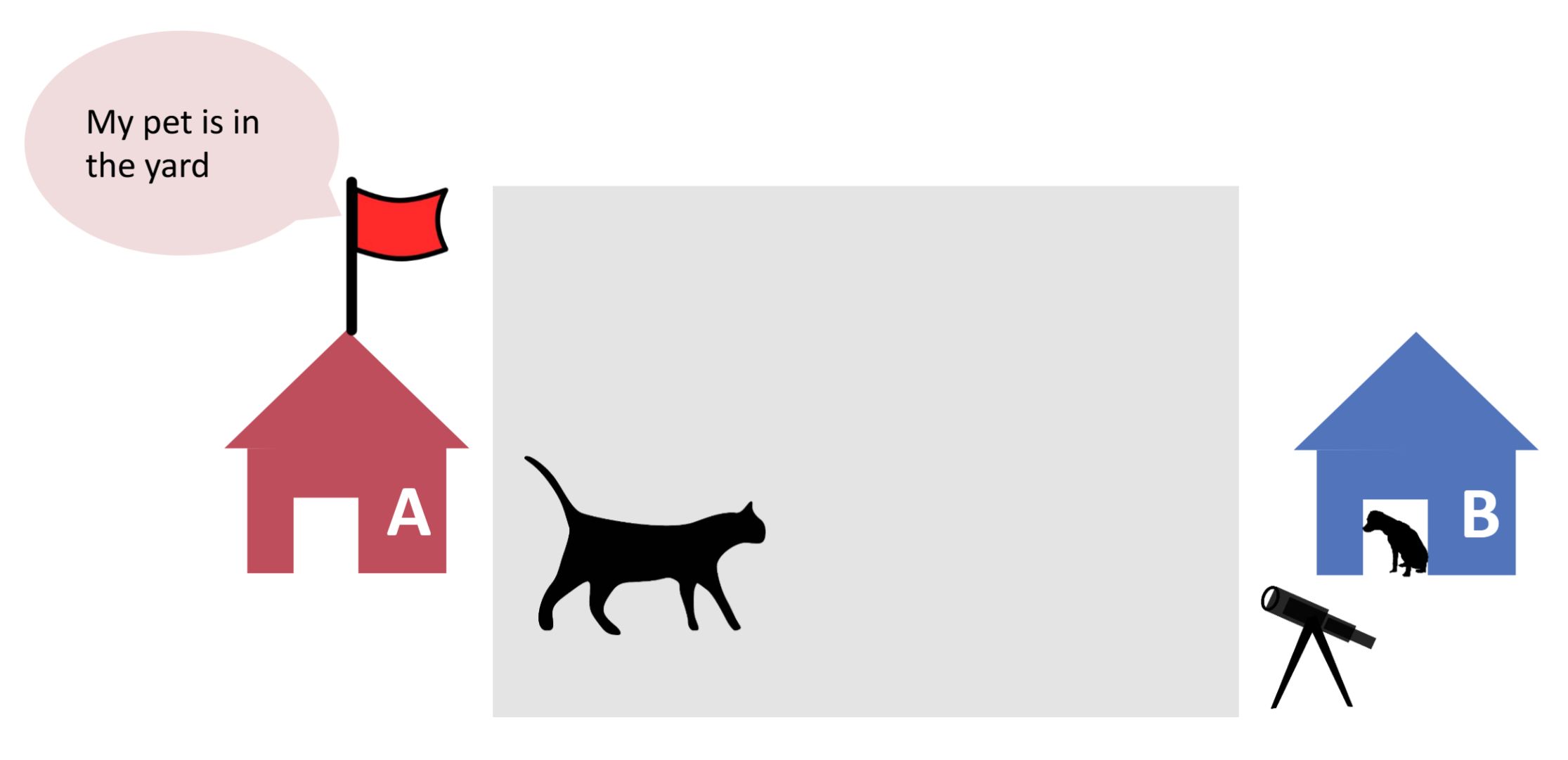
Back
What's the problem with notification?
No mutual exclusion!
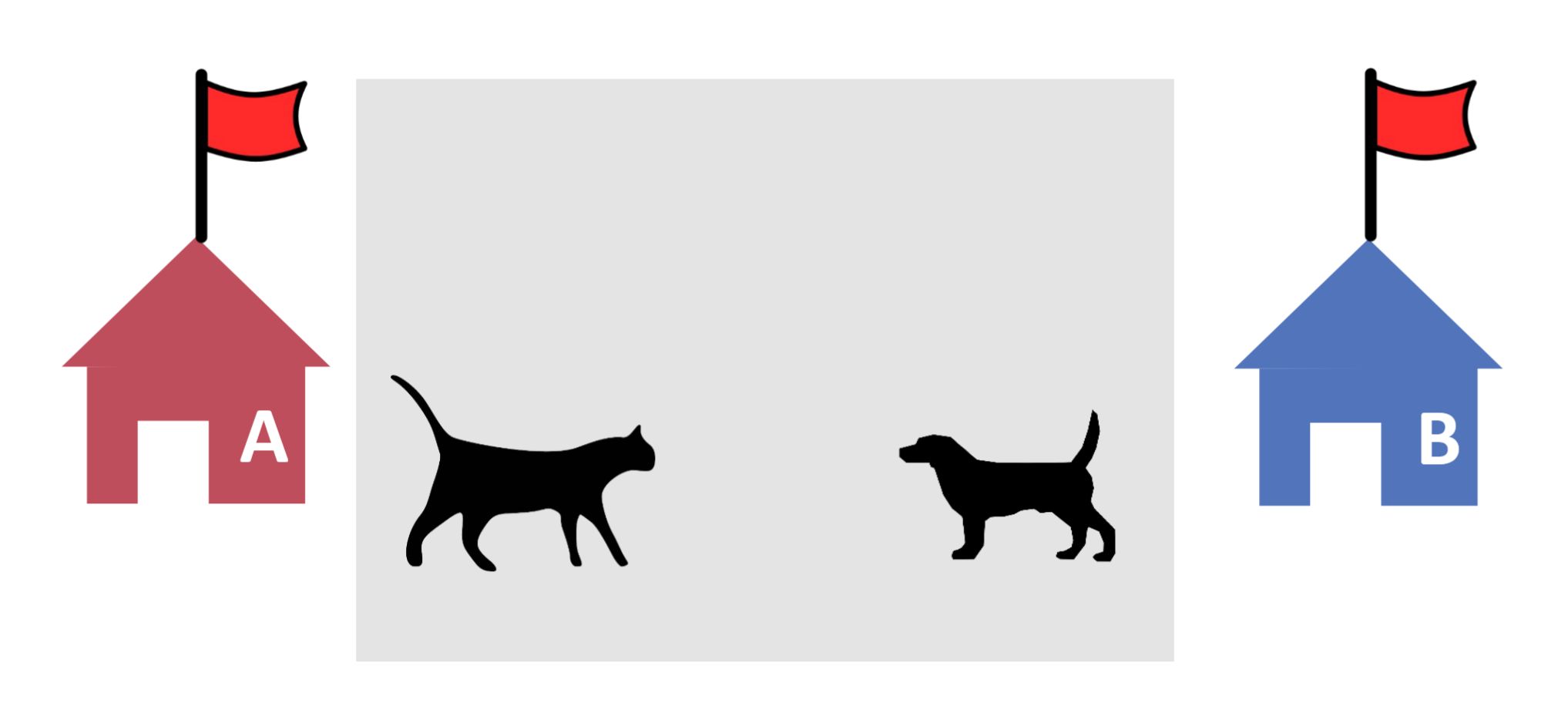
Current
Note has been deleted
Field-by-field Comparison
| Field | Before | After |
|---|---|---|
| Front | ||
| Back |
Note 23: ETH::2. Semester::PProg
Deck: ETH::2. Semester::PProg
Note Type: Horvath Classic
GUID:
deleted
Note Type: Horvath Classic
GUID:
K>ug`7HTL`
Deleted Note
Front
What's an issue of the Readers-Writers pattern?
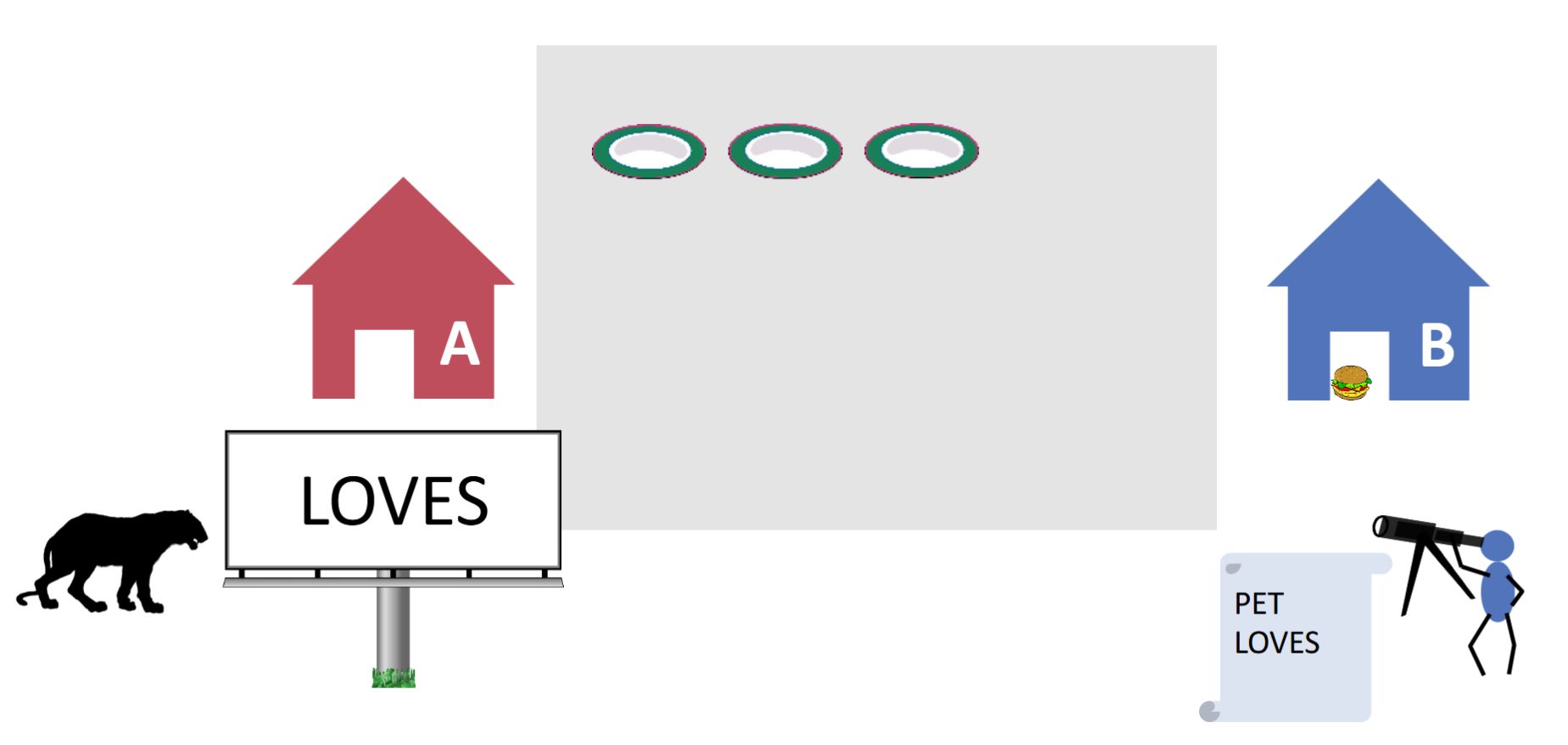
Back
What's an issue of the Readers-Writers pattern?
The reader may not be reading at all times, causing input loss!
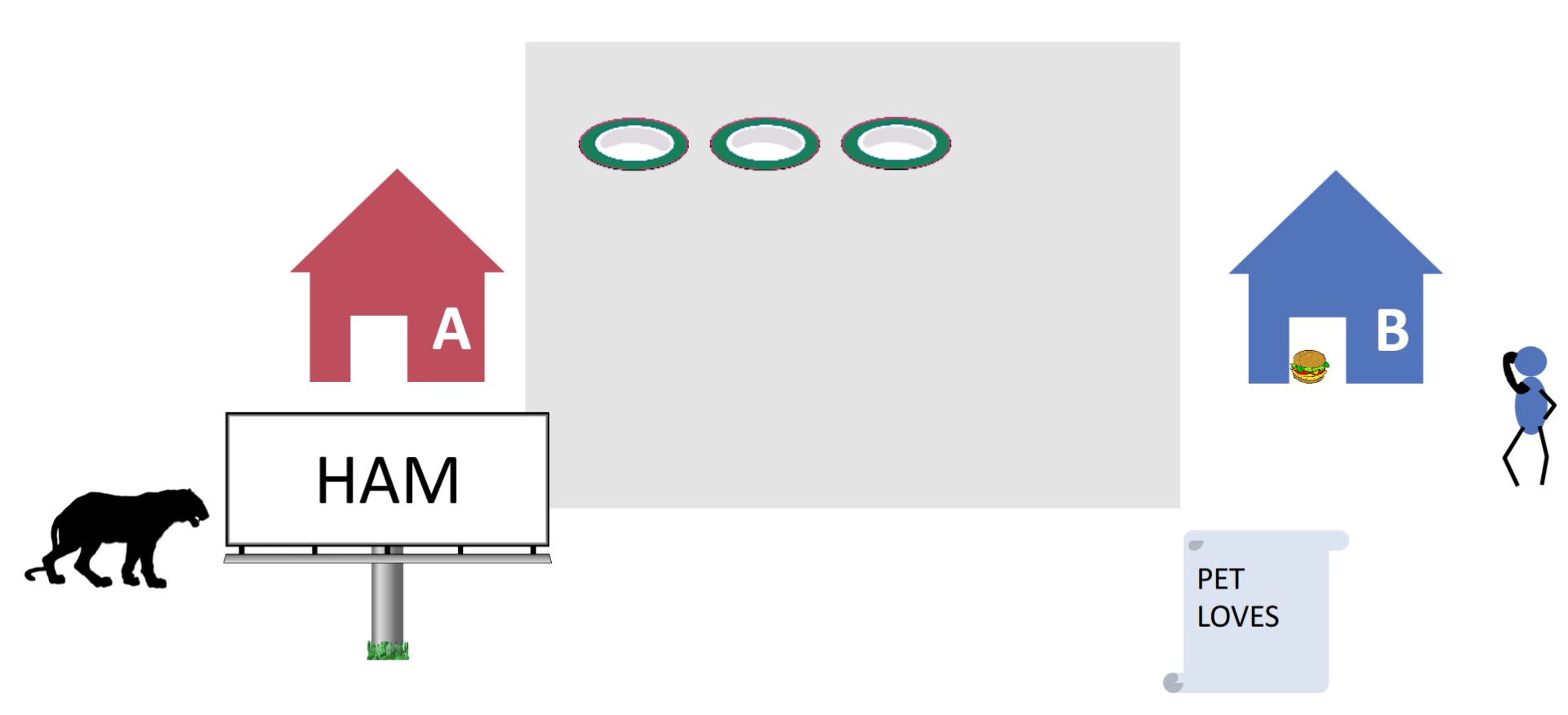
Current
Note has been deleted
Field-by-field Comparison
| Field | Before | After |
|---|---|---|
| Front | ||
| Back |
Note 24: ETH::2. Semester::PProg
Deck: ETH::2. Semester::PProg
Note Type: Horvath Cloze
GUID:
deleted
Note Type: Horvath Cloze
GUID:
L#!rmjGpR]
Deleted Note
Front
\(T_p\) is the time required to perform work on {{c2::p processors}
Back
\(T_p\) is the time required to perform work on {{c2::p processors}
Current
Note has been deleted
Field-by-field Comparison
| Field | Before | After |
|---|---|---|
| Text |
Note 25: ETH::2. Semester::PProg
Deck: ETH::2. Semester::PProg
Note Type: Horvath Cloze
GUID:
deleted
Note Type: Horvath Cloze
GUID:
L/^V2kJI?*
Deleted Note
Front
Schedulers typically do not give guarantees about when and how often they act, who gets selected next, etc.
Back
Schedulers typically do not give guarantees about when and how often they act, who gets selected next, etc.
Current
Note has been deleted
Field-by-field Comparison
| Field | Before | After |
|---|---|---|
| Text |
Note 26: ETH::2. Semester::PProg
Deck: ETH::2. Semester::PProg
Note Type: Horvath Cloze
GUID:
deleted
Note Type: Horvath Cloze
GUID:
L;tWm+I&15
Deleted Note
Front
A bad interleaving is an interleaving that yields a problematic or otherwise undesirable computation. E.g. an incorrect result, a deadlock or non-deterministic output.
Back
A bad interleaving is an interleaving that yields a problematic or otherwise undesirable computation. E.g. an incorrect result, a deadlock or non-deterministic output.
Current
Note has been deleted
Field-by-field Comparison
| Field | Before | After |
|---|---|---|
| Text |
Note 27: ETH::2. Semester::PProg
Deck: ETH::2. Semester::PProg
Note Type: Horvath Cloze
GUID:
deleted
Note Type: Horvath Cloze
GUID:
L~Q8Y|:``w
Deleted Note
Front
A lock can be acquired/locked by a thread, and is then held until it is released/unlocked.
Back
A lock can be acquired/locked by a thread, and is then held until it is released/unlocked.
Current
Note has been deleted
Field-by-field Comparison
| Field | Before | After |
|---|---|---|
| Text |
Note 28: ETH::2. Semester::PProg
Deck: ETH::2. Semester::PProg
Note Type: Horvath Classic
GUID:
deleted
Note Type: Horvath Classic
GUID:
MX>`Kg8*SU
Deleted Note
Front
Which events can influence if a race condition happens or not? (Assuming it is already present in the code)
Back
Which events can influence if a race condition happens or not? (Assuming it is already present in the code)
scheduler interactions can cause different interleavings
variable network latency
variable network latency
Current
Note has been deleted
Field-by-field Comparison
| Field | Before | After |
|---|---|---|
| Front | ||
| Back |
Note 29: ETH::2. Semester::PProg
Deck: ETH::2. Semester::PProg
Note Type: Horvath Classic
GUID:
deleted
Note Type: Horvath Classic
GUID:
M`z+&R0ZMn
Deleted Note
Front
What's the problem with putting up flags first and then checking the neighbor?
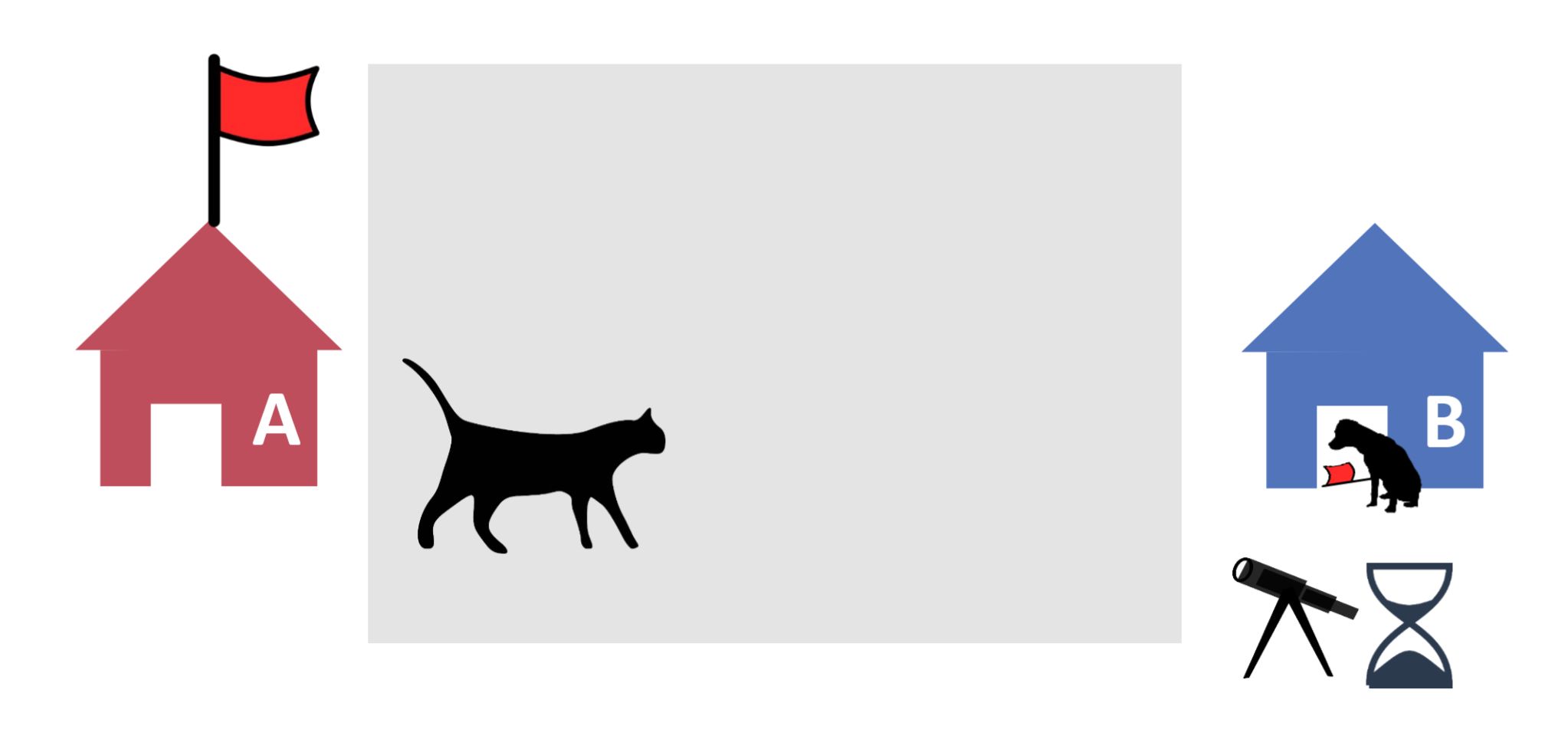
Back
What's the problem with putting up flags first and then checking the neighbor?
We still have livelock and starvation!
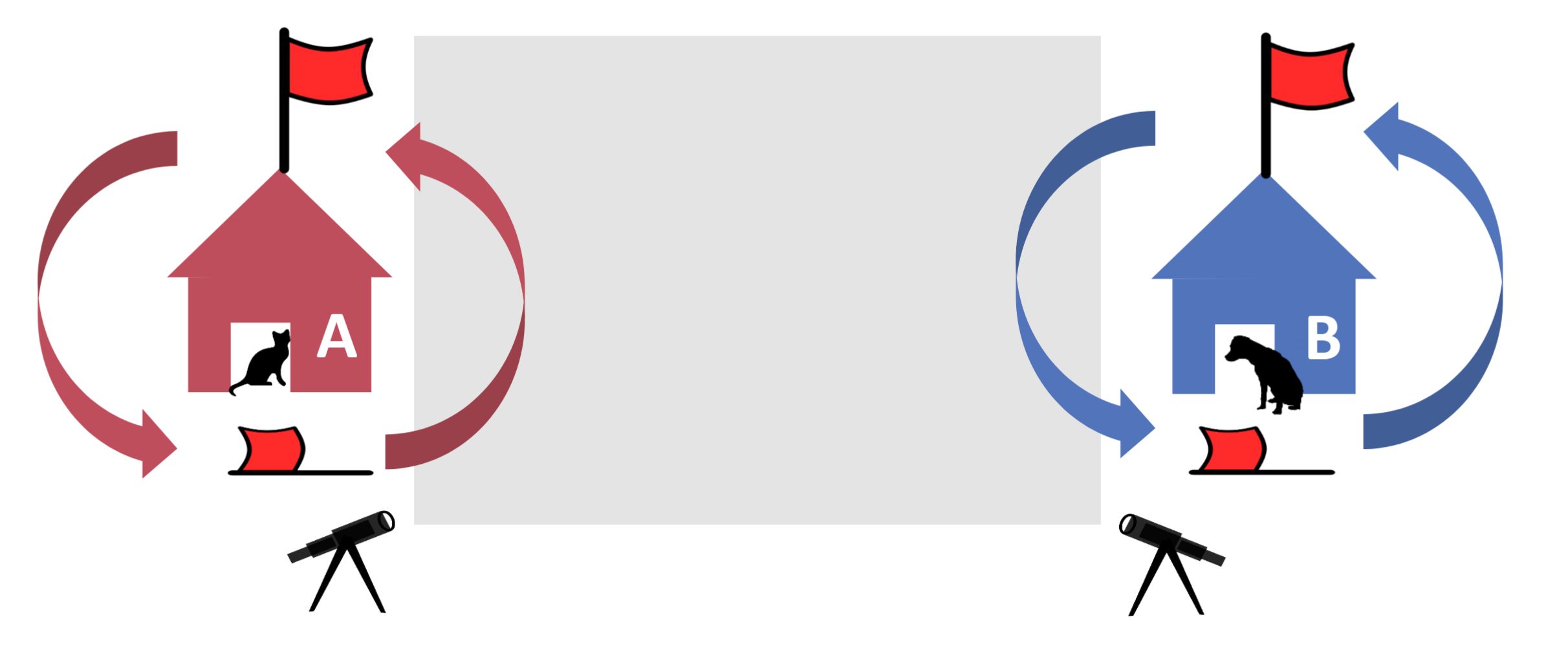
Current
Note has been deleted
Field-by-field Comparison
| Field | Before | After |
|---|---|---|
| Front | ||
| Back |
Note 30: ETH::2. Semester::PProg
Deck: ETH::2. Semester::PProg
Note Type: Horvath Cloze
GUID:
deleted
Note Type: Horvath Cloze
GUID:
N-`{p4Lt3o
Deleted Note
Front
Parallel execution can introduce inefficiencies such as communication overhead, load imbalance, and idle time due to task dependencies or waiting for data exchange.
Back
Parallel execution can introduce inefficiencies such as communication overhead, load imbalance, and idle time due to task dependencies or waiting for data exchange.
Current
Note has been deleted
Field-by-field Comparison
| Field | Before | After |
|---|---|---|
| Text |
Note 31: ETH::2. Semester::PProg
Deck: ETH::2. Semester::PProg
Note Type: Horvath Cloze
GUID:
deleted
Note Type: Horvath Cloze
GUID:
NAGc`DO5VT
Deleted Note
Front
Work in a task graph is denoted T_1 and equals the sum of the cost of all nodes in the graph.
Back
Work in a task graph is denoted T_1 and equals the sum of the cost of all nodes in the graph.
Current
Note has been deleted
Field-by-field Comparison
| Field | Before | After |
|---|---|---|
| Text |
Note 32: ETH::2. Semester::PProg
Deck: ETH::2. Semester::PProg
Note Type: Horvath Cloze
GUID:
deleted
Note Type: Horvath Cloze
GUID:
NAqmdxn~W[
Deleted Note
Front
Managing shared resources in parallel programming introduces challenges such as race conditions, synchronization, deadlock, livelock etc.
Back
Managing shared resources in parallel programming introduces challenges such as race conditions, synchronization, deadlock, livelock etc.
Current
Note has been deleted
Field-by-field Comparison
| Field | Before | After |
|---|---|---|
| Text |
Note 33: ETH::2. Semester::PProg
Deck: ETH::2. Semester::PProg
Note Type: Horvath Cloze
GUID:
deleted
Note Type: Horvath Cloze
GUID:
O&WdPAf/N%
Deleted Note
Front
Deadlock is circular waiting/blocking (no instructions are executed/CPU time is used) between threads, so that the system (union of all threads) cannot make any progress anymore.
Back
Deadlock is circular waiting/blocking (no instructions are executed/CPU time is used) between threads, so that the system (union of all threads) cannot make any progress anymore.
Current
Note has been deleted
Field-by-field Comparison
| Field | Before | After |
|---|---|---|
| Text |
Note 34: ETH::2. Semester::PProg
Deck: ETH::2. Semester::PProg
Note Type: Horvath Cloze
GUID:
deleted
Note Type: Horvath Cloze
GUID:
O?>[neGb1v
Deleted Note
Front
When decomposing work into tasks using divide and conquer, a sequential cutoff means stop splitting at a certain problem size.
Back
When decomposing work into tasks using divide and conquer, a sequential cutoff means stop splitting at a certain problem size.
Current
Note has been deleted
Field-by-field Comparison
| Field | Before | After |
|---|---|---|
| Text |
Note 35: ETH::2. Semester::PProg
Deck: ETH::2. Semester::PProg
Note Type: Horvath Cloze
GUID:
deleted
Note Type: Horvath Cloze
GUID:
OQfr*wOjfT
Deleted Note
Front
A thread starves if it can never enter a/any critical section.
Back
A thread starves if it can never enter a/any critical section.
Current
Note has been deleted
Field-by-field Comparison
| Field | Before | After |
|---|---|---|
| Text |
Note 36: ETH::2. Semester::PProg
Deck: ETH::2. Semester::PProg
Note Type: Horvath Classic
GUID:
deleted
Note Type: Horvath Classic
GUID:
P%}^}]&H%f
Deleted Note
Front
How can we solve starvation in the cat and dog problem?
Back
How can we solve starvation in the cat and dog problem?
Combine flags with a turn-based determinator!
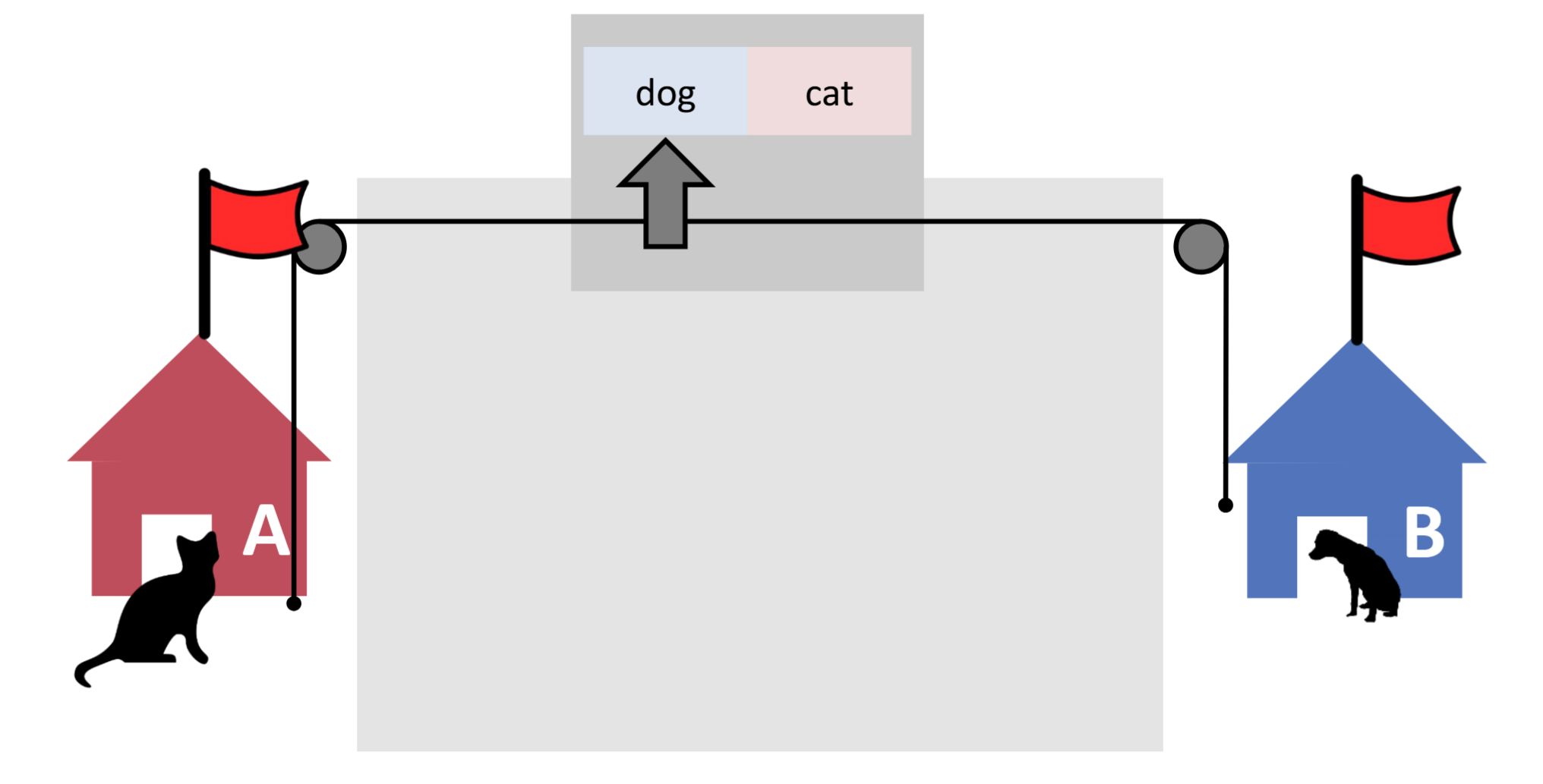
Current
Note has been deleted
Field-by-field Comparison
| Field | Before | After |
|---|---|---|
| Front | ||
| Back |
Note 37: ETH::2. Semester::PProg
Deck: ETH::2. Semester::PProg
Note Type: Horvath Cloze
GUID:
deleted
Note Type: Horvath Cloze
GUID:
PL8n[tJah;
Deleted Note
Front
In order to perform optimally, the JVM often needs warm-up time to 'learn' what kind of code is typically being executed.
Back
In order to perform optimally, the JVM often needs warm-up time to 'learn' what kind of code is typically being executed.
This applies especially to the ForkJoin framework, which needs some time to optimally distribute tasks on threads.
Current
Note has been deleted
Field-by-field Comparison
| Field | Before | After |
|---|---|---|
| Text | ||
| Extra |
Note 38: ETH::2. Semester::PProg
Deck: ETH::2. Semester::PProg
Note Type: Horvath Cloze
GUID:
deleted
Note Type: Horvath Cloze
GUID:
Qj|fR)B
Deleted Note
Front
Latency is an evaluation metric for pipelines that measures the time a pipeline needs to process a given work item.
Back
Latency is an evaluation metric for pipelines that measures the time a pipeline needs to process a given work item.
e.g. a CPU instruction
Current
Note has been deleted
Field-by-field Comparison
| Field | Before | After |
|---|---|---|
| Text | ||
| Extra |
Note 39: ETH::2. Semester::PProg
Deck: ETH::2. Semester::PProg
Note Type: Horvath Cloze
GUID:
deleted
Note Type: Horvath Cloze
GUID:
bD]7})PU$-
Deleted Note
Front
Parallelism means doing multiple things at the same time.
Back
Parallelism means doing multiple things at the same time.
(As opposed to concurrency: dealing with multiple things at the same time).
Performing computations simultaneously; either actually, if sufficient computation units are available, or virtually, via some form of alternation.
Often used interchangeably with concurrency.
Performing computations simultaneously; either actually, if sufficient computation units are available, or virtually, via some form of alternation.
Often used interchangeably with concurrency.
Current
Note has been deleted
Field-by-field Comparison
| Field | Before | After |
|---|---|---|
| Text | ||
| Extra |
Note 40: ETH::2. Semester::PProg
Deck: ETH::2. Semester::PProg
Note Type: Horvath Cloze
GUID:
deleted
Note Type: Horvath Cloze
GUID:
bI(*ZHmWA6
Deleted Note
Front
In terms of context switch, CPU needs to store/save the local data, program pointer etc. of the current thread/process, and load the local data, program pointer etc. of the next thread/process to execute.
Back
In terms of context switch, CPU needs to store/save the local data, program pointer etc. of the current thread/process, and load the local data, program pointer etc. of the next thread/process to execute.
Current
Note has been deleted
Field-by-field Comparison
| Field | Before | After |
|---|---|---|
| Text |
Note 41: ETH::2. Semester::PProg
Deck: ETH::2. Semester::PProg
Note Type: Horvath Classic
GUID:
deleted
Note Type: Horvath Classic
GUID:
buqWa{Q2-l
Deleted Note
Front
What is the tradeoff between busy-waiting and blocking?
Back
What is the tradeoff between busy-waiting and blocking?
busy waiting uses up CPU time, whereas blocking may cause additional context switches
Current
Note has been deleted
Field-by-field Comparison
| Field | Before | After |
|---|---|---|
| Front | ||
| Back |
Note 42: ETH::2. Semester::PProg
Deck: ETH::2. Semester::PProg
Note Type: Horvath Cloze
GUID:
deleted
Note Type: Horvath Cloze
GUID:
b{kg%0Ane{
Deleted Note
Front
Work partitioning is the split-up of a program into smaller tasks that can be executed in parallel.
Back
Work partitioning is the split-up of a program into smaller tasks that can be executed in parallel.
Current
Note has been deleted
Field-by-field Comparison
| Field | Before | After |
|---|---|---|
| Text |
Note 43: ETH::2. Semester::PProg
Deck: ETH::2. Semester::PProg
Note Type: Horvath Cloze
GUID:
deleted
Note Type: Horvath Cloze
GUID:
b~/=`@M)vU
Deleted Note
Front
In green threading, the JVM maps several threads to a single operating system thread.
Back
In green threading, the JVM maps several threads to a single operating system thread.
Current
Note has been deleted
Field-by-field Comparison
| Field | Before | After |
|---|---|---|
| Text |
Note 44: ETH::2. Semester::PProg
Deck: ETH::2. Semester::PProg
Note Type: Horvath Cloze
GUID:
deleted
Note Type: Horvath Cloze
GUID:
d?(F&:%xxs
Deleted Note
Front
synchronized is a Java keyword, enforcing mutual exclusion for a critical section via some object's intrinsic lock.
Back
synchronized is a Java keyword, enforcing mutual exclusion for a critical section via some object's intrinsic lock.
Current
Note has been deleted
Field-by-field Comparison
| Field | Before | After |
|---|---|---|
| Text |
Note 45: ETH::2. Semester::PProg
Deck: ETH::2. Semester::PProg
Note Type: Horvath Cloze
GUID:
deleted
Note Type: Horvath Cloze
GUID:
e@.#qnN#(e
Deleted Note
Front
Multiprocessing (or multitasking) is the concurrent execution of multiple tasks/processes, typically referring to parallelism on the operating system level.
Back
Multiprocessing (or multitasking) is the concurrent execution of multiple tasks/processes, typically referring to parallelism on the operating system level.
Current
Note has been deleted
Field-by-field Comparison
| Field | Before | After |
|---|---|---|
| Text |
Note 46: ETH::2. Semester::PProg
Deck: ETH::2. Semester::PProg
Note Type: Horvath Cloze
GUID:
deleted
Note Type: Horvath Cloze
GUID:
eIYu#!KzX_
Deleted Note
Front
\({{c1::\text{speedup (using p processors)} }} = \frac{ {{c2::\text{execution time (using 1 processor)} }} }{ {{c3::\text{execution time (using p processors)} }} }\)
Back
\({{c1::\text{speedup (using p processors)} }} = \frac{ {{c2::\text{execution time (using 1 processor)} }} }{ {{c3::\text{execution time (using p processors)} }} }\)
Current
Note has been deleted
Field-by-field Comparison
| Field | Before | After |
|---|---|---|
| Text |
Note 47: ETH::2. Semester::PProg
Deck: ETH::2. Semester::PProg
Note Type: Horvath Cloze
GUID:
deleted
Note Type: Horvath Cloze
GUID:
e]#wx>XL,0
Deleted Note
Front
Thread mapping describes how a Java/JVM thread is related to an operating system thread.
Back
Thread mapping describes how a Java/JVM thread is related to an operating system thread.
Current
Note has been deleted
Field-by-field Comparison
| Field | Before | After |
|---|---|---|
| Text |
Note 48: ETH::2. Semester::PProg
Deck: ETH::2. Semester::PProg
Note Type: Horvath Cloze
GUID:
deleted
Note Type: Horvath Cloze
GUID:
fcsPFI,=e0
Deleted Note
Front
Locality has several meanings in parallel programming:
- Locally reason about one thread at a time (thread modularity) - simplifies correctness arguments.
- Data locality: related memory locations are accessed shortly after each other - improves cache usage
- Code locality: straight-line code increases opportunities for instruction level parallelism.
Back
Locality has several meanings in parallel programming:
- Locally reason about one thread at a time (thread modularity) - simplifies correctness arguments.
- Data locality: related memory locations are accessed shortly after each other - improves cache usage
- Code locality: straight-line code increases opportunities for instruction level parallelism.
Current
Note has been deleted
Field-by-field Comparison
| Field | Before | After |
|---|---|---|
| Text |
Note 49: ETH::2. Semester::PProg
Deck: ETH::2. Semester::PProg
Note Type: Horvath Cloze
GUID:
deleted
Note Type: Horvath Cloze
GUID:
fn|<.%5[Cr
Deleted Note
Front
A liveness property is a property of a system: "something good eventually happens". Can only be violated in infinite time. Infinite loops and starvation are typical liveness properties.
Back
A liveness property is a property of a system: "something good eventually happens". Can only be violated in infinite time. Infinite loops and starvation are typical liveness properties.
Current
Note has been deleted
Field-by-field Comparison
| Field | Before | After |
|---|---|---|
| Text |
Note 50: ETH::2. Semester::PProg
Deck: ETH::2. Semester::PProg
Note Type: Horvath Cloze
GUID:
deleted
Note Type: Horvath Cloze
GUID:
g+Va^lhr7q
Deleted Note
Front
The scheduler interrupts/pauses/sends to sleep the currently running process (or thread), performs a context switch, and selects the next process (or thread) to run.
Back
The scheduler interrupts/pauses/sends to sleep the currently running process (or thread), performs a context switch, and selects the next process (or thread) to run.
Current
Note has been deleted
Field-by-field Comparison
| Field | Before | After |
|---|---|---|
| Text |
Note 51: ETH::2. Semester::PProg
Deck: ETH::2. Semester::PProg
Note Type: Horvath Classic
GUID:
deleted
Note Type: Horvath Classic
GUID:
g9lF(k!=m>
Deleted Note
Front
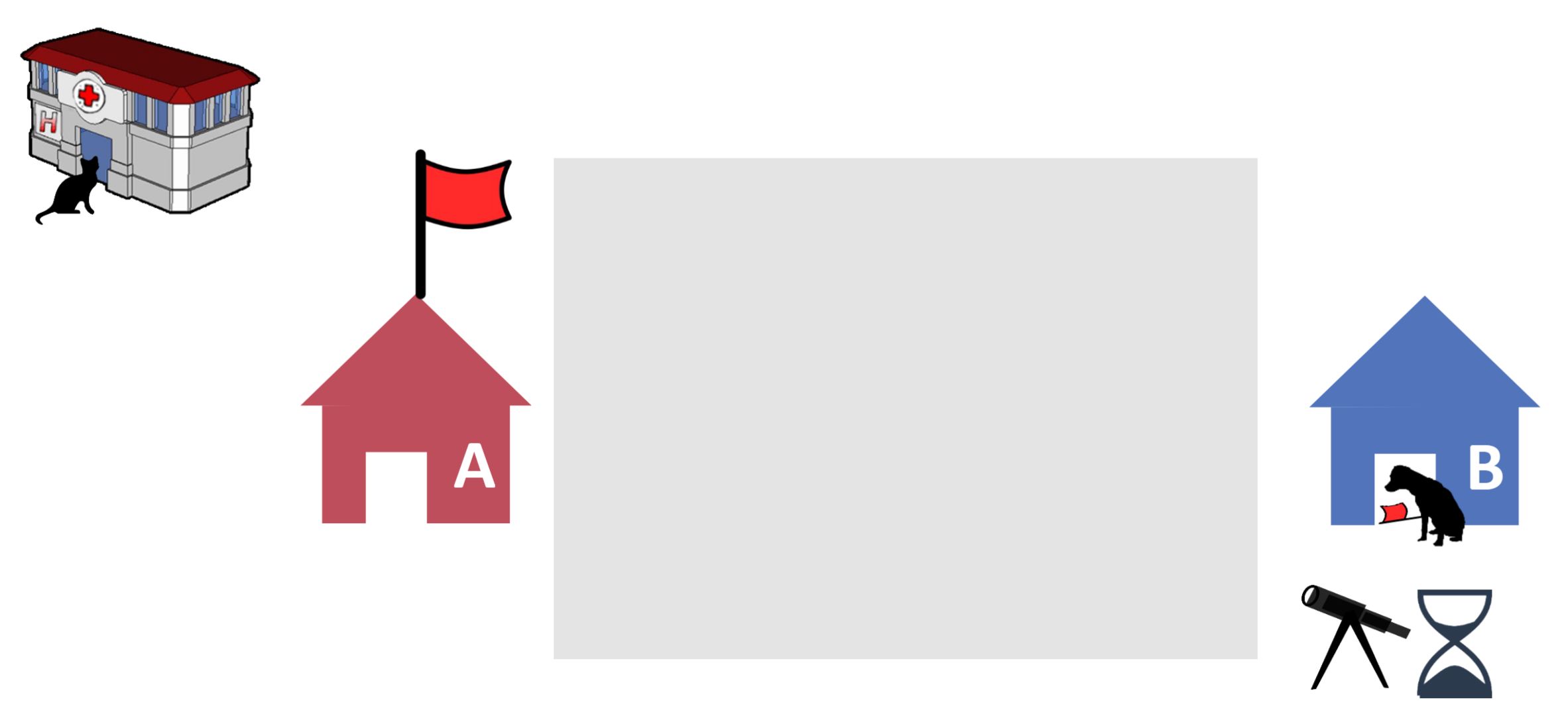
Which problem remains here?
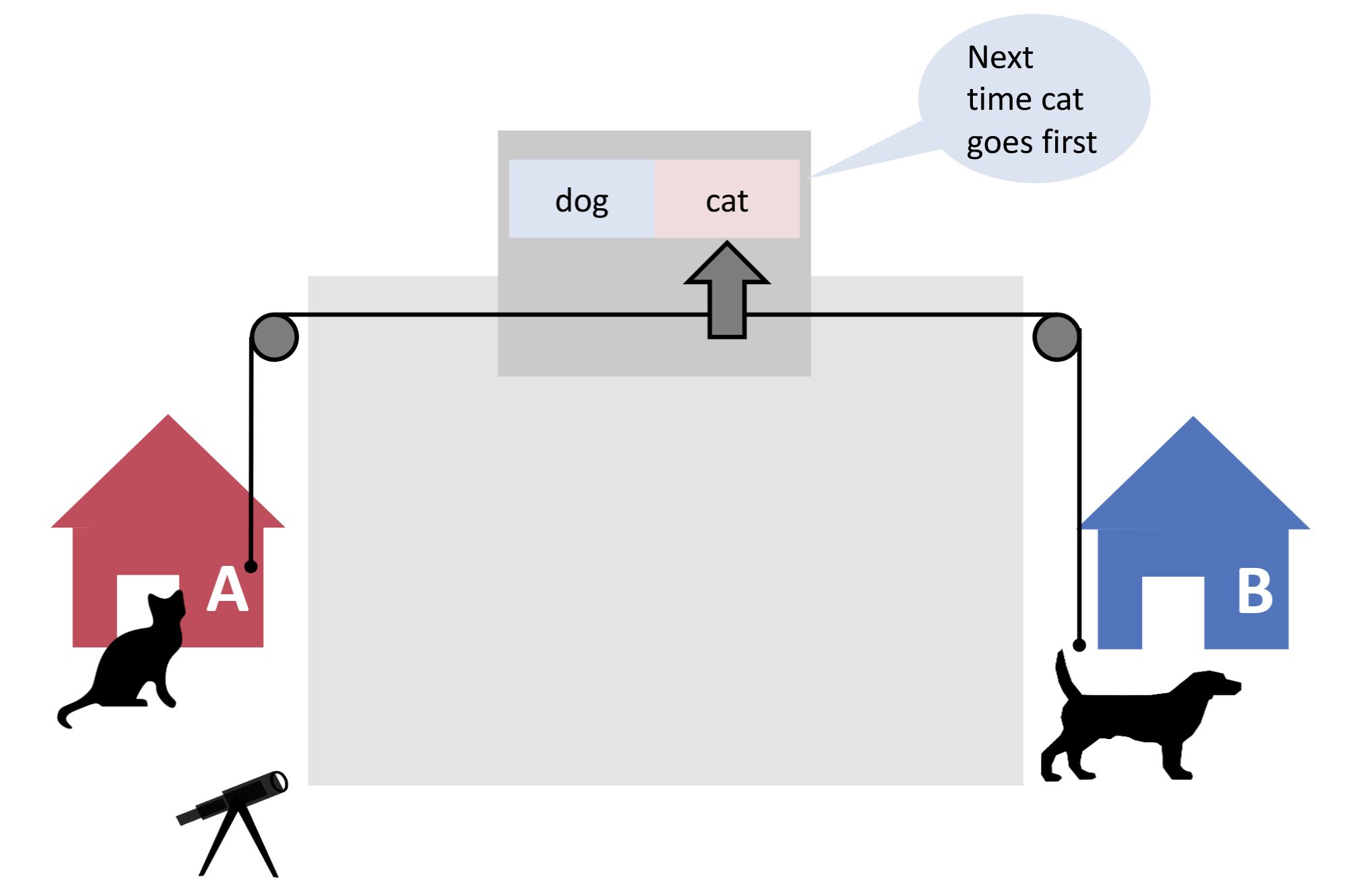
Back
Which problem remains here?
We still have the general problem of waiting!
Current
Note has been deleted
Field-by-field Comparison
| Field | Before | After |
|---|---|---|
| Front | ||
| Back |
Note 52: ETH::2. Semester::PProg
Deck: ETH::2. Semester::PProg
Note Type: Horvath Classic
GUID:
deleted
Note Type: Horvath Classic
GUID:
g?g2.P+F4z
Deleted Note
Front
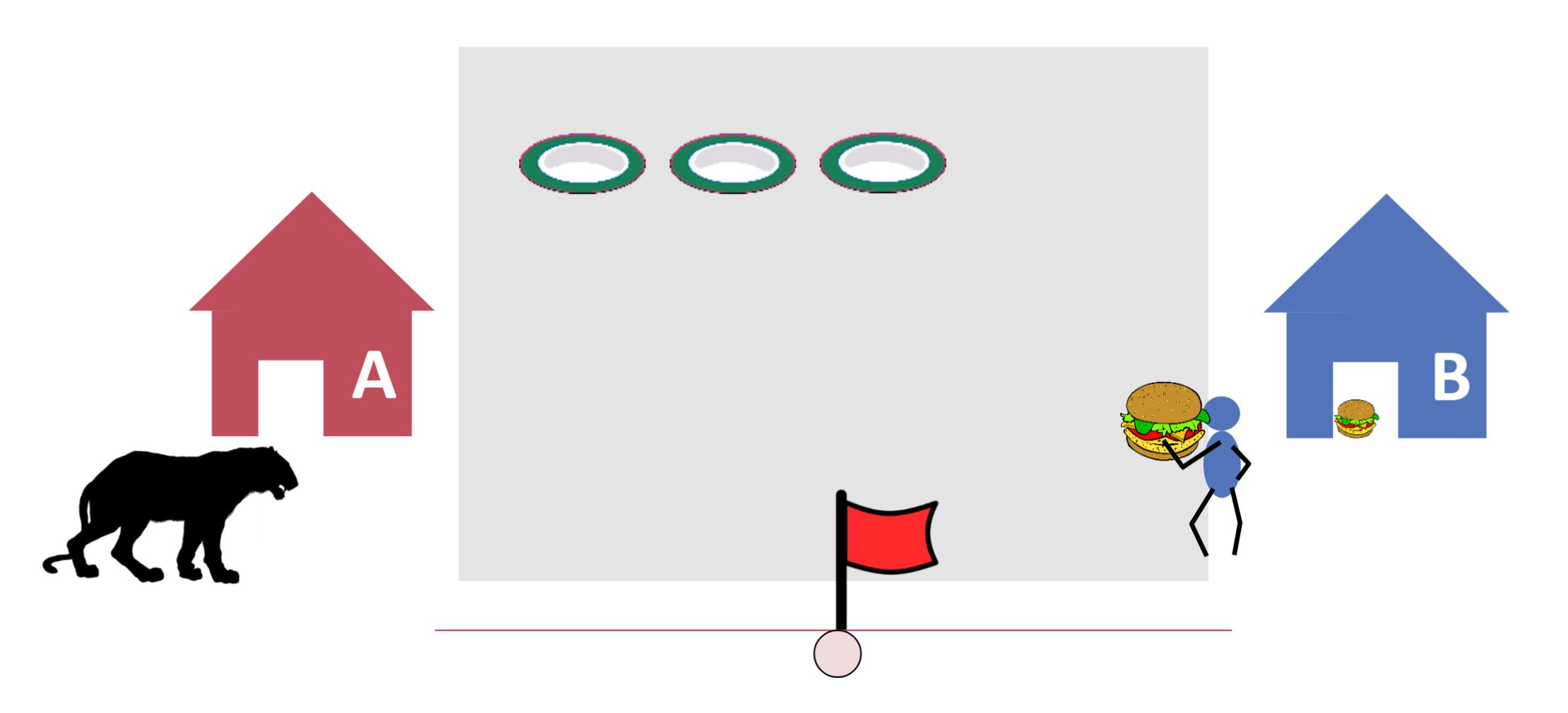
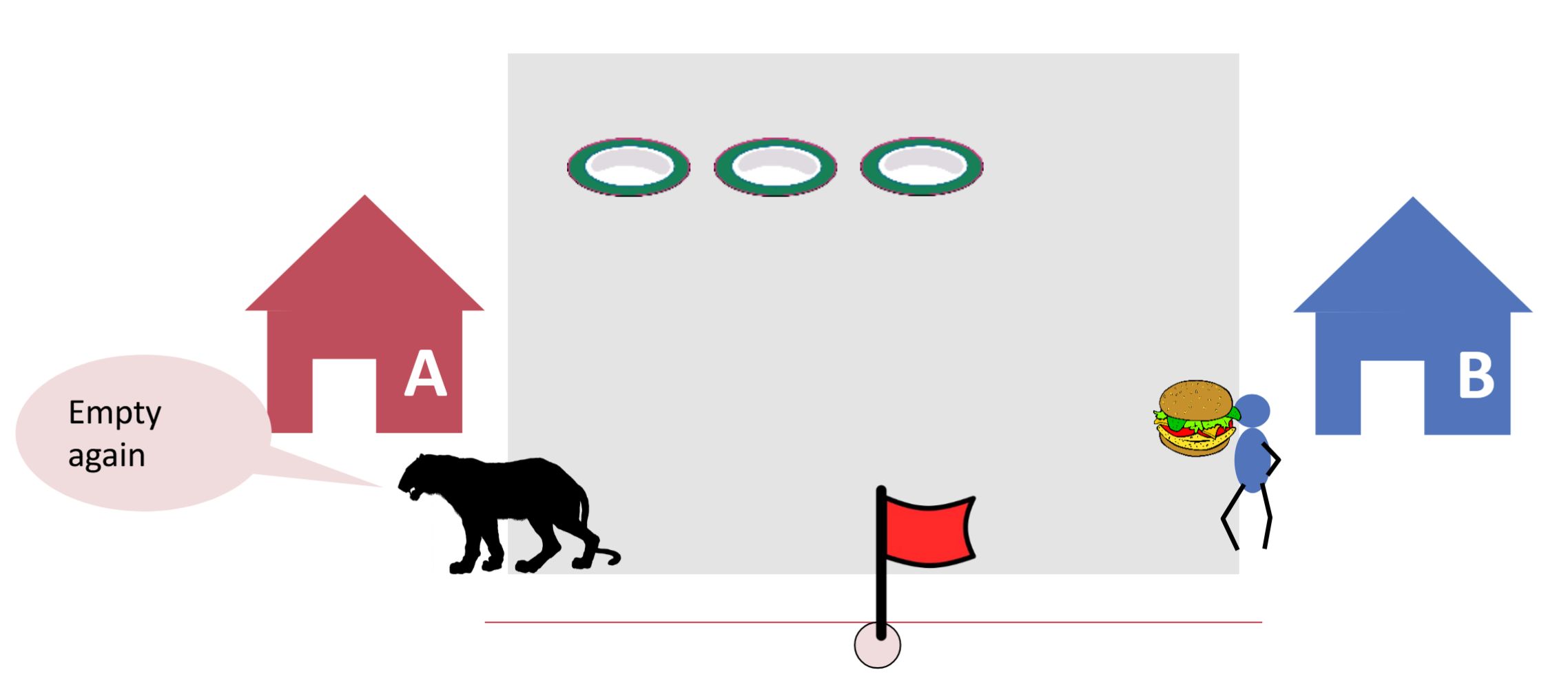
What's one caveat of the Producer-Consumer pattern?
Back
What's one caveat of the Producer-Consumer pattern?
The order is not guaranteed!
Current
Note has been deleted
Field-by-field Comparison
| Field | Before | After |
|---|---|---|
| Front | ||
| Back |
Note 53: ETH::2. Semester::PProg
Deck: ETH::2. Semester::PProg
Note Type: Horvath Cloze
GUID:
deleted
Note Type: Horvath Cloze
GUID:
gX9o]qJfQD
Deleted Note
Front
Code can be vectorised automatically, by compilers, or manually, by using intrinsics libraries provided by hardware vendors.
Back
Code can be vectorised automatically, by compilers, or manually, by using intrinsics libraries provided by hardware vendors.
Current
Note has been deleted
Field-by-field Comparison
| Field | Before | After |
|---|---|---|
| Text |
Note 54: ETH::2. Semester::PProg
Deck: ETH::2. Semester::PProg
Note Type: Horvath Cloze
GUID:
deleted
Note Type: Horvath Cloze
GUID:
g[MGo:#TN&
Deleted Note
Front
Efficiency is heavily limited by the sequential part of a program.
Back
Efficiency is heavily limited by the sequential part of a program.
Current
Note has been deleted
Field-by-field Comparison
| Field | Before | After |
|---|---|---|
| Text |
Note 55: ETH::2. Semester::PProg
Deck: ETH::2. Semester::PProg
Note Type: Horvath Cloze
GUID:
deleted
Note Type: Horvath Cloze
GUID:
glVh:^#cYn
Deleted Note
Front
A statement is abstractly atomic if it appears atomic at a certain level of abstraction, but may take several steps at a lower level.
Back
A statement is abstractly atomic if it appears atomic at a certain level of abstraction, but may take several steps at a lower level.
E.g.
synchronized append(x) appears as one step to the caller, but not to the queue itself.Current
Note has been deleted
Field-by-field Comparison
| Field | Before | After |
|---|---|---|
| Text | ||
| Extra |
Note 56: ETH::2. Semester::PProg
Deck: ETH::2. Semester::PProg
Note Type: Horvath Cloze
GUID:
deleted
Note Type: Horvath Cloze
GUID:
h?Bu3]o^d>
Deleted Note
Front
Cilk-style programming is a parallel programming idiom: To compute a program, execute code and spawn new tasks if required. Before returning, wait for all spawned tasks to complete.
Back
Cilk-style programming is a parallel programming idiom: To compute a program, execute code and spawn new tasks if required. Before returning, wait for all spawned tasks to complete.
The system manages the eventual execution of the spawned tasks potentially in parallel.
Current
Note has been deleted
Field-by-field Comparison
| Field | Before | After |
|---|---|---|
| Text | ||
| Extra |
Note 57: ETH::2. Semester::PProg
Deck: ETH::2. Semester::PProg
Note Type: Horvath Cloze
GUID:
deleted
Note Type: Horvath Cloze
GUID:
h_KTBYg,v.
Deleted Note
Front
A program has a data race if, during any possible execution, a memory location could be written from one thread, while concurrently being read or written from another thread.
Back
A program has a data race if, during any possible execution, a memory location could be written from one thread, while concurrently being read or written from another thread.
Current
Note has been deleted
Field-by-field Comparison
| Field | Before | After |
|---|---|---|
| Text |
Note 58: ETH::2. Semester::PProg
Deck: ETH::2. Semester::PProg
Note Type: Horvath Cloze
GUID:
deleted
Note Type: Horvath Cloze
GUID:
hto57dfFuB
Deleted Note
Front
In comparison to threads, processes are more heavy-weight (since a whole program) and have encapsulated in memory.
Back
In comparison to threads, processes are more heavy-weight (since a whole program) and have encapsulated in memory.
Current
Note has been deleted
Field-by-field Comparison
| Field | Before | After |
|---|---|---|
| Text |
Note 59: ETH::2. Semester::PProg
Deck: ETH::2. Semester::PProg
Note Type: Horvath Cloze
GUID:
deleted
Note Type: Horvath Cloze
GUID:
hxi*,8Kfw7
Deleted Note
Front
A thread is an independent (i.e. capable of running in parallel) unit of computation that executes a piece of code.
Back
A thread is an independent (i.e. capable of running in parallel) unit of computation that executes a piece of code.
Current
Note has been deleted
Field-by-field Comparison
| Field | Before | After |
|---|---|---|
| Text |
Note 60: ETH::2. Semester::PProg
Deck: ETH::2. Semester::PProg
Note Type: Horvath Cloze
GUID:
deleted
Note Type: Horvath Cloze
GUID:
i&!tHL^UOI
Deleted Note
Front
Exceptions, absence of deadlocks, and mutual exclusion are typical safety properties.
Back
Exceptions, absence of deadlocks, and mutual exclusion are typical safety properties.
Current
Note has been deleted
Field-by-field Comparison
| Field | Before | After |
|---|---|---|
| Text |
Note 61: ETH::2. Semester::PProg
Deck: ETH::2. Semester::PProg
Note Type: Horvath Cloze
GUID:
deleted
Note Type: Horvath Cloze
GUID:
iKAC-UBBQ1
Deleted Note
Front
Cache coherence protocols are hardware protocols that ensure consistency across caches, typically by tracking which locations are cached, and synchronising them if necessary.
Back
Cache coherence protocols are hardware protocols that ensure consistency across caches, typically by tracking which locations are cached, and synchronising them if necessary.
Current
Note has been deleted
Field-by-field Comparison
| Field | Before | After |
|---|---|---|
| Text |
Note 62: ETH::2. Semester::PProg
Deck: ETH::2. Semester::PProg
Note Type: Horvath Cloze
GUID:
deleted
Note Type: Horvath Cloze
GUID:
iU_BOo;(GS
Deleted Note
Front
The problem size of a sequential cutoff should be significantly larger than the scheduling overhead to maintain efficiency.
Back
The problem size of a sequential cutoff should be significantly larger than the scheduling overhead to maintain efficiency.
Current
Note has been deleted
Field-by-field Comparison
| Field | Before | After |
|---|---|---|
| Text |
Note 63: ETH::2. Semester::PProg
Deck: ETH::2. Semester::PProg
Note Type: Horvath Cloze
GUID:
deleted
Note Type: Horvath Cloze
GUID:
j_M%FT*ye3
Deleted Note
Front
Parallel programming refers to dividing a problem into smaller tasks, which are processed at the same time on different computing resources to make the solution faster and more efficient.
Back
Parallel programming refers to dividing a problem into smaller tasks, which are processed at the same time on different computing resources to make the solution faster and more efficient.
Current
Note has been deleted
Field-by-field Comparison
| Field | Before | After |
|---|---|---|
| Text |
Note 64: ETH::2. Semester::PProg
Deck: ETH::2. Semester::PProg
Note Type: Horvath Cloze
GUID:
deleted
Note Type: Horvath Cloze
GUID:
jxx{VYsKxH
Deleted Note
Front
Divide and conquer style parallelism (also called recursive splitting) means: solve a problem by recursively solving smaller sub-problems and combining their results. Solve the sub-problems in separate threads to gain a speedup.
Back
Divide and conquer style parallelism (also called recursive splitting) means: solve a problem by recursively solving smaller sub-problems and combining their results. Solve the sub-problems in separate threads to gain a speedup.
Current
Note has been deleted
Field-by-field Comparison
| Field | Before | After |
|---|---|---|
| Text |
Note 65: ETH::2. Semester::PProg
Deck: ETH::2. Semester::PProg
Note Type: Horvath Cloze
GUID:
deleted
Note Type: Horvath Cloze
GUID:
j}G/eI.jy%
Deleted Note
Front
A context switch typically refers to switching between processes, but can also refer to switching between threads.
Back
A context switch typically refers to switching between processes, but can also refer to switching between threads.
Current
Note has been deleted
Field-by-field Comparison
| Field | Before | After |
|---|---|---|
| Text |
Note 66: ETH::2. Semester::PProg
Deck: ETH::2. Semester::PProg
Note Type: Horvath Classic
GUID:
deleted
Note Type: Horvath Classic
GUID:
k+S4n^4+Tx
Deleted Note
Front
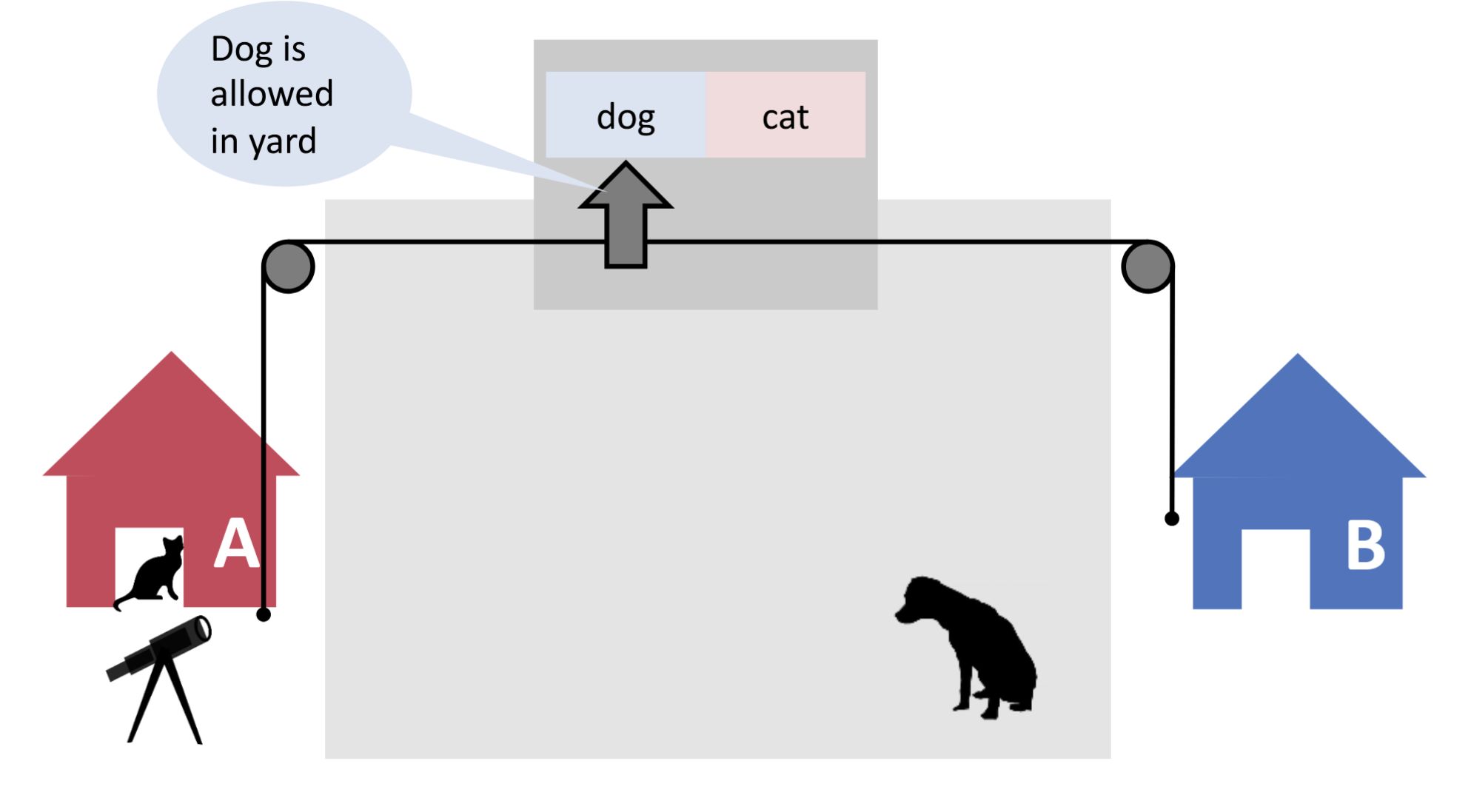
What's the problem with alternation?
Back
What's the problem with alternation?
Starvation!
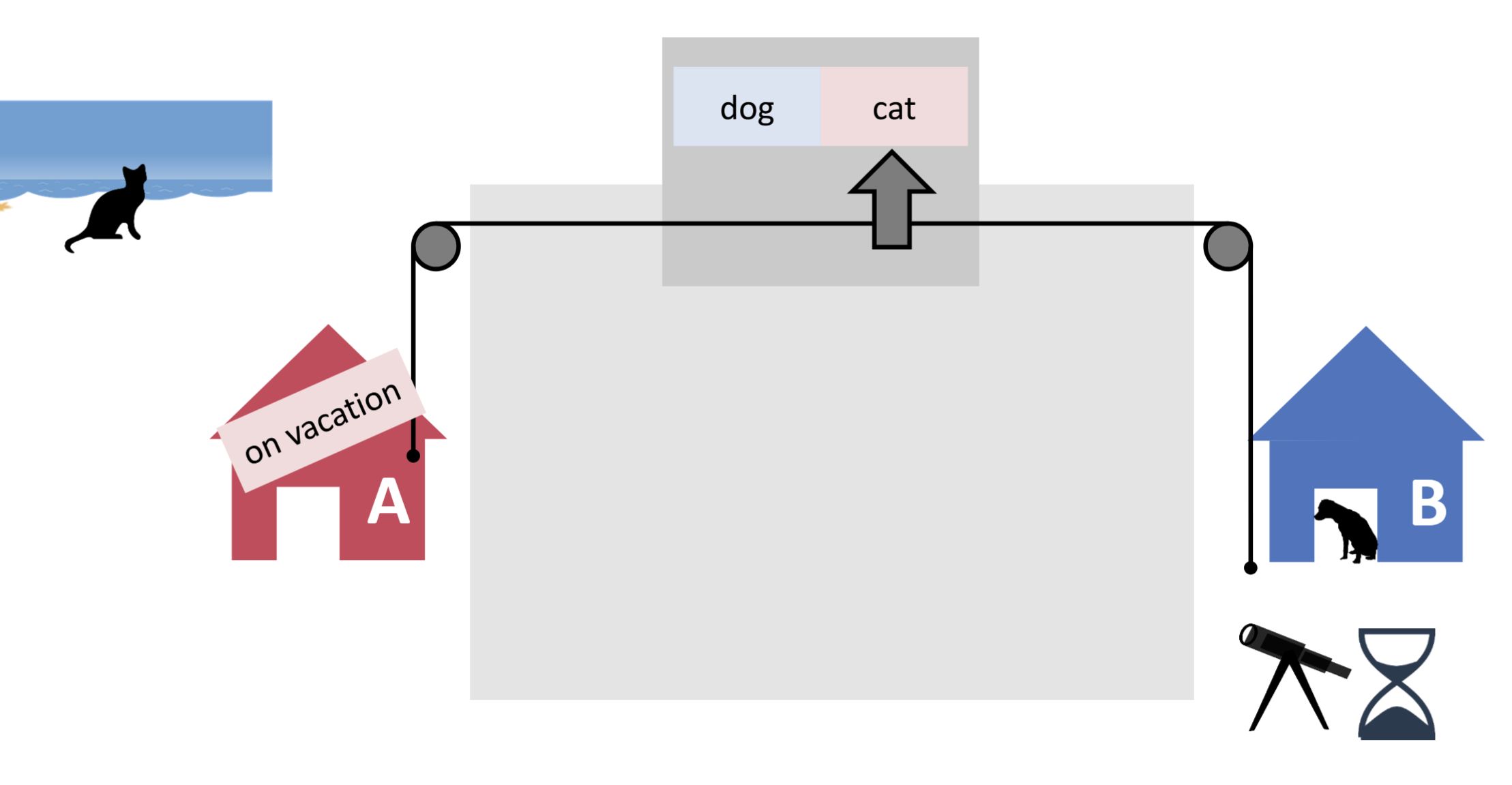
Current
Note has been deleted
Field-by-field Comparison
| Field | Before | After |
|---|---|---|
| Front | ||
| Back |
Note 67: ETH::2. Semester::PProg
Deck: ETH::2. Semester::PProg
Note Type: Horvath Cloze
GUID:
deleted
Note Type: Horvath Cloze
GUID:
k.f)rxiy8y
Deleted Note
Front
Threads of the same process live in the same memory space and can communicate with each other.
Back
Threads of the same process live in the same memory space and can communicate with each other.
Current
Note has been deleted
Field-by-field Comparison
| Field | Before | After |
|---|---|---|
| Text |
Note 68: ETH::2. Semester::PProg
Deck: ETH::2. Semester::PProg
Note Type: Horvath Cloze
GUID:
deleted
Note Type: Horvath Cloze
GUID:
kaCb;PSfJ_
Deleted Note
Front
A safety property is a property of a system: "nothing bad ever happens". Can be violated in finite time.
Back
A safety property is a property of a system: "nothing bad ever happens". Can be violated in finite time.
Current
Note has been deleted
Field-by-field Comparison
| Field | Before | After |
|---|---|---|
| Text |
Note 69: ETH::2. Semester::PProg
Deck: ETH::2. Semester::PProg
Note Type: Horvath Cloze
GUID:
deleted
Note Type: Horvath Cloze
GUID:
lL_$?<@pF+
Deleted Note
Front
S_p means speedup with p processors
Back
S_p means speedup with p processors
Current
Note has been deleted
Field-by-field Comparison
| Field | Before | After |
|---|---|---|
| Text |
Note 70: ETH::2. Semester::PProg
Deck: ETH::2. Semester::PProg
Note Type: Horvath Cloze
GUID:
deleted
Note Type: Horvath Cloze
GUID:
l{B3CynHyc
Deleted Note
Front
Process context is all state associated with a process
Back
Process context is all state associated with a process
this includes CPU state (registers, program counter), program state (stack, heap, resource handles) and additional management information
Current
Note has been deleted
Field-by-field Comparison
| Field | Before | After |
|---|---|---|
| Text | ||
| Extra |
Note 71: ETH::2. Semester::PProg
Deck: ETH::2. Semester::PProg
Note Type: Horvath Cloze
GUID:
deleted
Note Type: Horvath Cloze
GUID:
m$HzW2de@M
Deleted Note
Front
CISC stands for Complex Instruction Set Computer. A fundamental CPU architecture model with complex, feature-rich instructions.
Back
CISC stands for Complex Instruction Set Computer. A fundamental CPU architecture model with complex, feature-rich instructions.
Current
Note has been deleted
Field-by-field Comparison
| Field | Before | After |
|---|---|---|
| Text |
Note 72: ETH::2. Semester::PProg
Deck: ETH::2. Semester::PProg
Note Type: Horvath Cloze
GUID:
deleted
Note Type: Horvath Cloze
GUID:
m7?!UWmaST
Deleted Note
Front
Throughput is an evaluation metric for pipelines that measures the amount of workthat can be done by a pipeline in a given period of time.
Back
Throughput is an evaluation metric for pipelines that measures the amount of workthat can be done by a pipeline in a given period of time.
e.g. CPU instructions
Current
Note has been deleted
Field-by-field Comparison
| Field | Before | After |
|---|---|---|
| Text | ||
| Extra |
Note 73: ETH::2. Semester::PProg
Deck: ETH::2. Semester::PProg
Note Type: Horvath Cloze
GUID:
deleted
Note Type: Horvath Cloze
GUID:
mhRUoqJ}u<
Deleted Note
Front
Speedup is an absolute value.
Back
Speedup is an absolute value.
e.g. the amount of time saved
Current
Note has been deleted
Field-by-field Comparison
| Field | Before | After |
|---|---|---|
| Text | ||
| Extra |
Note 74: ETH::2. Semester::PProg
Deck: ETH::2. Semester::PProg
Note Type: Horvath Cloze
GUID:
deleted
Note Type: Horvath Cloze
GUID:
n*pnVv+nib
Deleted Note
Front
Access to shared resources needs synchronization.
Back
Access to shared resources needs synchronization.
Current
Note has been deleted
Field-by-field Comparison
| Field | Before | After |
|---|---|---|
| Text |
Note 75: ETH::2. Semester::PProg
Deck: ETH::2. Semester::PProg
Note Type: Horvath Cloze
GUID:
deleted
Note Type: Horvath Cloze
GUID:
nYv?sVRA/U
Deleted Note
Front
Concurrency means dealing with multiple things at the same time. Involves managing shared resources and their interactions.
Back
Concurrency means dealing with multiple things at the same time. Involves managing shared resources and their interactions.
Often used interchangeably with parallelism.
Current
Note has been deleted
Field-by-field Comparison
| Field | Before | After |
|---|---|---|
| Text | ||
| Extra |
Note 76: ETH::2. Semester::PProg
Deck: ETH::2. Semester::PProg
Note Type: Horvath Cloze
GUID:
deleted
Note Type: Horvath Cloze
GUID:
o?%~4t?Q]?
Deleted Note
Front
Span is the critical path (height) of the task graph. It corresponds to T_∞.
Back
Span is the critical path (height) of the task graph. It corresponds to T_∞.
Current
Note has been deleted
Field-by-field Comparison
| Field | Before | After |
|---|---|---|
| Text |
Note 77: ETH::2. Semester::PProg
Deck: ETH::2. Semester::PProg
Note Type: Horvath Cloze
GUID:
deleted
Note Type: Horvath Cloze
GUID:
oG)e}QN;XP
Deleted Note
Front
A program has a race condition if, during any possible execution with the same inputs, its observable behaviour (results, output, ...) may change if .
Back
A program has a race condition if, during any possible execution with the same inputs, its observable behaviour (results, output, ...) may change if .
events: e.g. scheduler interactions causing different interleavings, changing network latency
Current
Note has been deleted
Field-by-field Comparison
| Field | Before | After |
|---|---|---|
| Text | ||
| Extra |
Note 78: ETH::2. Semester::PProg
Deck: ETH::2. Semester::PProg
Note Type: Horvath Cloze
GUID:
deleted
Note Type: Horvath Cloze
GUID:
oc}?&fK}O8
Deleted Note
Front
RISC stands for Reduced Instruction Set Computer. A fundamental CPU architecture model. Classical RISC is simpler: RISC instructions can only work on registers, and reading/writing memory are separate instructions.
Back
RISC stands for Reduced Instruction Set Computer. A fundamental CPU architecture model. Classical RISC is simpler: RISC instructions can only work on registers, and reading/writing memory are separate instructions.
Current
Note has been deleted
Field-by-field Comparison
| Field | Before | After |
|---|---|---|
| Text |
Note 79: ETH::2. Semester::PProg
Deck: ETH::2. Semester::PProg
Note Type: Horvath Cloze
GUID:
deleted
Note Type: Horvath Cloze
GUID:
orPo?8l!zc
Deleted Note
Front
A task graph is a graph (DAG) created by drawing nodes (tasks) and edges (spawns, joins).
Back
A task graph is a graph (DAG) created by drawing nodes (tasks) and edges (spawns, joins).
Current
Note has been deleted
Field-by-field Comparison
| Field | Before | After |
|---|---|---|
| Text |
Note 80: ETH::2. Semester::PProg
Deck: ETH::2. Semester::PProg
Note Type: Horvath Cloze
GUID:
deleted
Note Type: Horvath Cloze
GUID:
o~aP685V>p
Deleted Note
Front
Depending on the size of the context, a context switch might be computationally expensive.
Back
Depending on the size of the context, a context switch might be computationally expensive.
Current
Note has been deleted
Field-by-field Comparison
| Field | Before | After |
|---|---|---|
| Text |
Note 81: ETH::2. Semester::PProg
Deck: ETH::2. Semester::PProg
Note Type: Horvath Cloze
GUID:
deleted
Note Type: Horvath Cloze
GUID:
pO7Qm0Zc[}
Deleted Note
Front
Busy waiting occurs when a thread busily (actively) waits, e.g. by spinning in a loop, for a condition to become true.
Back
Busy waiting occurs when a thread busily (actively) waits, e.g. by spinning in a loop, for a condition to become true.
In the opposite scenario, the thread sleeps (i.e. is blocked) until the condition becomes true.
Current
Note has been deleted
Field-by-field Comparison
| Field | Before | After |
|---|---|---|
| Text | ||
| Extra |
Note 82: ETH::2. Semester::PProg
Deck: ETH::2. Semester::PProg
Note Type: Horvath Classic
GUID:
deleted
Note Type: Horvath Classic
GUID:
q#;#HVzA)B
Deleted Note
Front
Why does checking flags twice not work in the notification system?
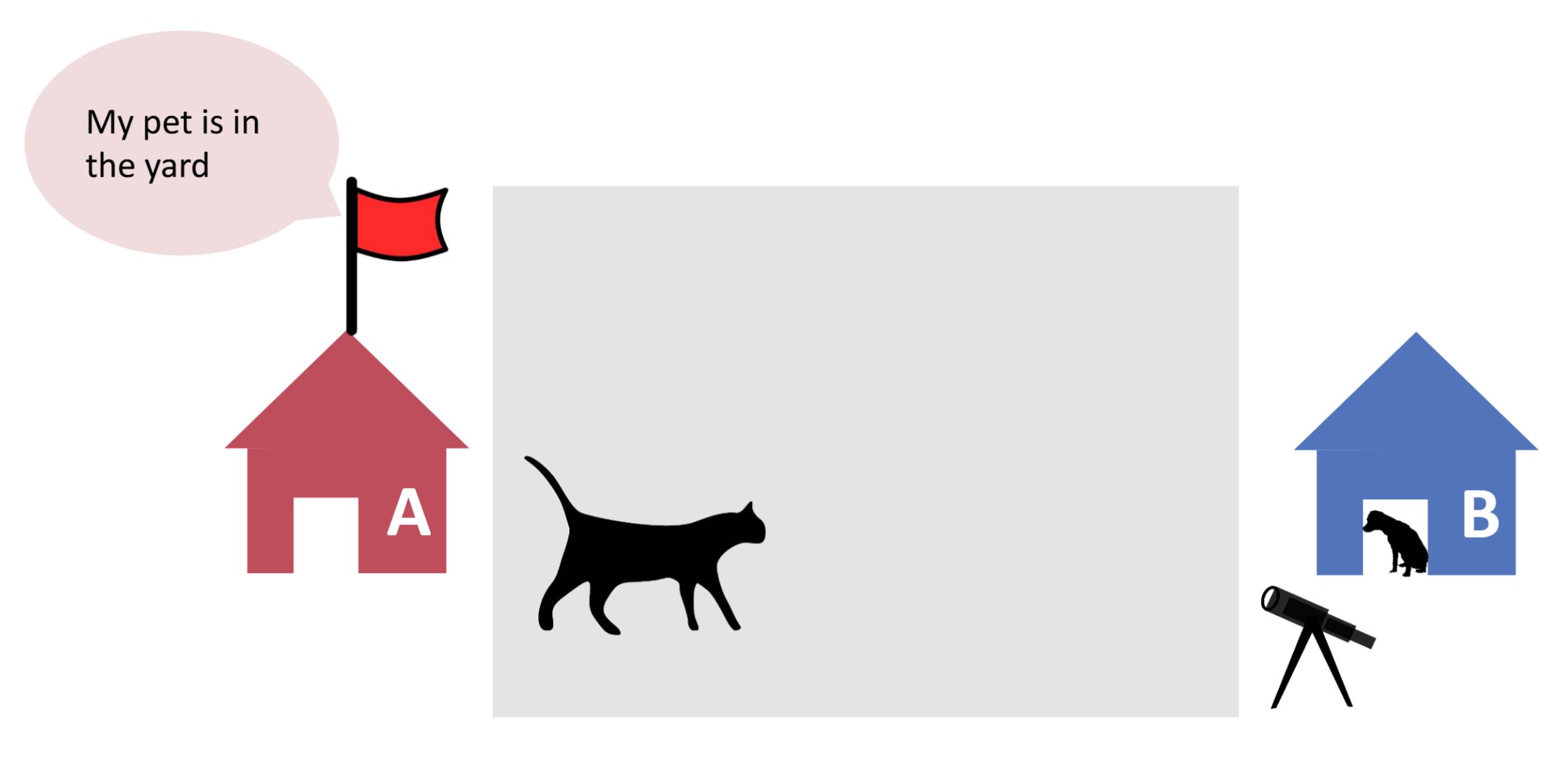
Back
Why does checking flags twice not work in the notification system?
We could reach a deadlock!
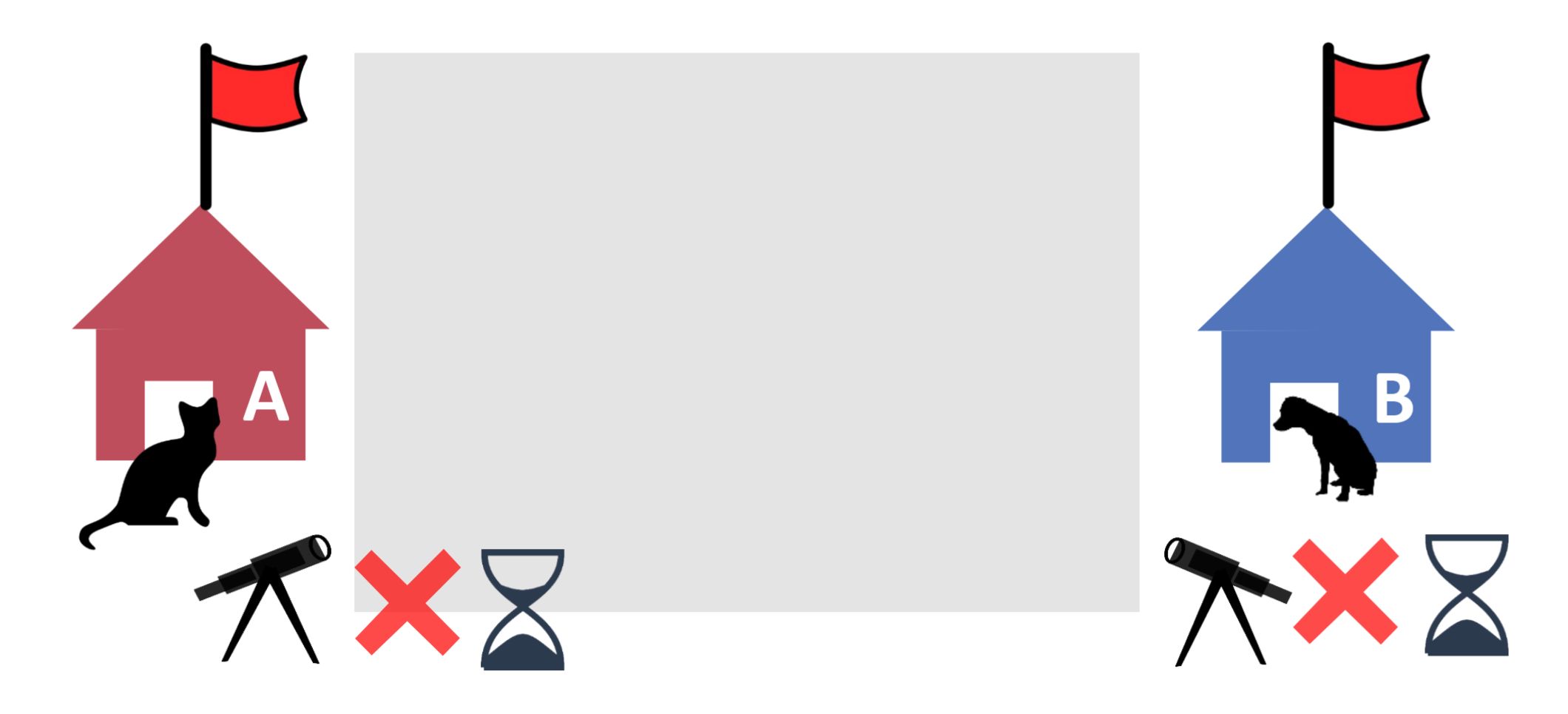
Current
Note has been deleted
Field-by-field Comparison
| Field | Before | After |
|---|---|---|
| Front | ||
| Back |
Note 83: ETH::2. Semester::PProg
Deck: ETH::2. Semester::PProg
Note Type: Horvath Cloze
GUID:
deleted
Note Type: Horvath Cloze
GUID:
q5sPBXAN&z
Deleted Note
Front
Instruction level parallelism (ILP) is CPU-internal parallelisation of independent instructions, with the goal of improving performance by increasing utilisation of a CPU's functional units.
Back
Instruction level parallelism (ILP) is CPU-internal parallelisation of independent instructions, with the goal of improving performance by increasing utilisation of a CPU's functional units.
Current
Note has been deleted
Field-by-field Comparison
| Field | Before | After |
|---|---|---|
| Text |
Note 84: ETH::2. Semester::PProg
Deck: ETH::2. Semester::PProg
Note Type: Horvath Cloze
GUID:
deleted
Note Type: Horvath Cloze
GUID:
qEgTjb0lpA
Deleted Note
Front
The sequential part is the part of a given program that can't be executed in parallel. It limits the maximum speedup.
Back
The sequential part is the part of a given program that can't be executed in parallel. It limits the maximum speedup.
Current
Note has been deleted
Field-by-field Comparison
| Field | Before | After |
|---|---|---|
| Text |
Note 85: ETH::2. Semester::PProg
Deck: ETH::2. Semester::PProg
Note Type: Horvath Cloze
GUID:
deleted
Note Type: Horvath Cloze
GUID:
qMbl>8{=0E
Deleted Note
Front
Data race is often used interchangeably with race condition.
Back
Data race is often used interchangeably with race condition.
Current
Note has been deleted
Field-by-field Comparison
| Field | Before | After |
|---|---|---|
| Text |
Note 86: ETH::2. Semester::PProg
Deck: ETH::2. Semester::PProg
Note Type: Horvath Cloze
GUID:
deleted
Note Type: Horvath Cloze
GUID:
qWB`2aaYqS
Deleted Note
Front
\(S_p\) measures how much faster a program runs using p processors, compared to running the sequential version of the same program.
Back
\(S_p\) measures how much faster a program runs using p processors, compared to running the sequential version of the same program.
Current
Note has been deleted
Field-by-field Comparison
| Field | Before | After |
|---|---|---|
| Text |
Note 87: ETH::2. Semester::PProg
Deck: ETH::2. Semester::PProg
Note Type: Horvath Cloze
GUID:
deleted
Note Type: Horvath Cloze
GUID:
qu=oxqpTpf
Deleted Note
Front
The concept of threads exists on various levels:hardware (CPU), operating systems, programming languages.
Back
The concept of threads exists on various levels:hardware (CPU), operating systems, programming languages.
In Java, thread also refers to an instance of the
Thread class.Current
Note has been deleted
Field-by-field Comparison
| Field | Before | After |
|---|---|---|
| Text | ||
| Extra |
Note 88: ETH::2. Semester::PProg
Deck: ETH::2. Semester::PProg
Note Type: Horvath Cloze
GUID:
deleted
Note Type: Horvath Cloze
GUID:
r:&*y8!jY9
Deleted Note
Front
\(T_1\) (sequential execution time) is the time that is required to perform some work on a single processor.
Back
\(T_1\) (sequential execution time) is the time that is required to perform some work on a single processor.
Current
Note has been deleted
Field-by-field Comparison
| Field | Before | After |
|---|---|---|
| Text |
Note 89: ETH::2. Semester::PProg
Deck: ETH::2. Semester::PProg
Note Type: Horvath Cloze
GUID:
deleted
Note Type: Horvath Cloze
GUID:
r@,<:U1c3(
Deleted Note
Front
Efficiency expresses how much of the available CPU performance can be used.
Back
Efficiency expresses how much of the available CPU performance can be used.
Current
Note has been deleted
Field-by-field Comparison
| Field | Before | After |
|---|---|---|
| Text |
Note 90: ETH::2. Semester::PProg
Deck: ETH::2. Semester::PProg
Note Type: Horvath Cloze
GUID:
deleted
Note Type: Horvath Cloze
GUID:
rj]$8hdL3s
Deleted Note
Front
S_p = \(T_1/T_p\)
Back
S_p = \(T_1/T_p\)
Current
Note has been deleted
Field-by-field Comparison
| Field | Before | After |
|---|---|---|
| Text |
Note 91: ETH::2. Semester::PProg
Deck: ETH::2. Semester::PProg
Note Type: Horvath Cloze
GUID:
deleted
Note Type: Horvath Cloze
GUID:
s.@YR(&3S3
Deleted Note
Front
The maximum possible speedup (parallelism) is {{c2::\(\frac{T_1}{T_\infty} \)}}.
Back
The maximum possible speedup (parallelism) is {{c2::\(\frac{T_1}{T_\infty} \)}}.
Current
Note has been deleted
Field-by-field Comparison
| Field | Before | After |
|---|---|---|
| Text |
Note 92: ETH::2. Semester::PProg
Deck: ETH::2. Semester::PProg
Note Type: Horvath Cloze
GUID:
deleted
Note Type: Horvath Cloze
GUID:
s8WvCb=wB-
Deleted Note
Front
Each task should performs its work independently of any other task.
Back
Each task should performs its work independently of any other task.
for instance on separate areas of a data structure
Current
Note has been deleted
Field-by-field Comparison
| Field | Before | After |
|---|---|---|
| Text | ||
| Extra |
Note 93: ETH::2. Semester::PProg
Deck: ETH::2. Semester::PProg
Note Type: Horvath Cloze
GUID:
deleted
Note Type: Horvath Cloze
GUID:
sBK>tE5G:l
Deleted Note
Front
A shared resource is any resource (memory location, input source, output sink) shared by more than one thread.
Back
A shared resource is any resource (memory location, input source, output sink) shared by more than one thread.
Current
Note has been deleted
Field-by-field Comparison
| Field | Before | After |
|---|---|---|
| Text |
Note 94: ETH::2. Semester::PProg
Deck: ETH::2. Semester::PProg
Note Type: Horvath Cloze
GUID:
deleted
Note Type: Horvath Cloze
GUID:
scWGoj|@,/
Deleted Note
Front
Spawning and waiting on tasks in the context of Cilk-style programming creates a task graph which is a DAG.
Back
Spawning and waiting on tasks in the context of Cilk-style programming creates a task graph which is a DAG.
Current
Note has been deleted
Field-by-field Comparison
| Field | Before | After |
|---|---|---|
| Text |
Note 95: ETH::2. Semester::PProg
Deck: ETH::2. Semester::PProg
Note Type: Horvath Cloze
GUID:
deleted
Note Type: Horvath Cloze
GUID:
s|H(.%6{t@
Deleted Note
Front
If a lock is non-reentrant, trying to acquire it again might cause an exception or other problems.
Back
If a lock is non-reentrant, trying to acquire it again might cause an exception or other problems.
Current
Note has been deleted
Field-by-field Comparison
| Field | Before | After |
|---|---|---|
| Text |
Note 96: ETH::2. Semester::PProg
Deck: ETH::2. Semester::PProg
Note Type: Horvath Cloze
GUID:
deleted
Note Type: Horvath Cloze
GUID:
t,$m]=w>7t
Deleted Note
Front
Process context includes:
- CPU state (registers, program counter)
- program state (stack, heap, resource handles)
- additional management information.
Back
Process context includes:
- CPU state (registers, program counter)
- program state (stack, heap, resource handles)
- additional management information.
A thread also has a context, but it is typically much smaller.
Current
Note has been deleted
Field-by-field Comparison
| Field | Before | After |
|---|---|---|
| Text | ||
| Extra |
Note 97: ETH::2. Semester::PProg
Deck: ETH::2. Semester::PProg
Note Type: Horvath Cloze
GUID:
deleted
Note Type: Horvath Cloze
GUID:
t`O6a*Q_nq
Deleted Note
Front
A sequentially consistent interleaving is one where the relative order of statements from one thread is preserved.
Back
A sequentially consistent interleaving is one where the relative order of statements from one thread is preserved.
Current
Note has been deleted
Field-by-field Comparison
| Field | Before | After |
|---|---|---|
| Text |
Note 98: ETH::2. Semester::PProg
Deck: ETH::2. Semester::PProg
Note Type: Horvath Cloze
GUID:
deleted
Note Type: Horvath Cloze
GUID:
u54P4-YG?G
Deleted Note
Front
The ForkJoin framework automatically assigns tasks to Java threads and may execute multiple tasks in one thread to avoid thread context switching overhead.
Back
The ForkJoin framework automatically assigns tasks to Java threads and may execute multiple tasks in one thread to avoid thread context switching overhead.
Current
Note has been deleted
Field-by-field Comparison
| Field | Before | After |
|---|---|---|
| Text |
Note 99: ETH::2. Semester::PProg
Deck: ETH::2. Semester::PProg
Note Type: Horvath Cloze
GUID:
deleted
Note Type: Horvath Cloze
GUID:
uI66G=Xqmh
Deleted Note
Front
In Java, each object can be used as a lock.
Back
In Java, each object can be used as a lock.
intrinsic/monitor lock.
Current
Note has been deleted
Field-by-field Comparison
| Field | Before | After |
|---|---|---|
| Text | ||
| Extra |
Note 100: ETH::2. Semester::PProg
Deck: ETH::2. Semester::PProg
Note Type: Horvath Cloze
GUID:
deleted
Note Type: Horvath Cloze
GUID:
unYLoX/LFH
Deleted Note
Front
The ForkJoin framework embraces divide and conquer parallelism. Tasks can be spawned (forked) and joined by the framework.
Back
The ForkJoin framework embraces divide and conquer parallelism. Tasks can be spawned (forked) and joined by the framework.
Current
Note has been deleted
Field-by-field Comparison
| Field | Before | After |
|---|---|---|
| Text |
Note 101: ETH::2. Semester::PProg
Deck: ETH::2. Semester::PProg
Note Type: Horvath Cloze
GUID:
deleted
Note Type: Horvath Cloze
GUID:
uv7s!vla<{
Deleted Note
Front
In native threading (most common), each JVM thread is mapped to a dedicated operating system thread.
Back
In native threading (most common), each JVM thread is mapped to a dedicated operating system thread.
Current
Note has been deleted
Field-by-field Comparison
| Field | Before | After |
|---|---|---|
| Text |
Note 102: ETH::2. Semester::PProg
Deck: ETH::2. Semester::PProg
Note Type: Horvath Cloze
GUID:
deleted
Note Type: Horvath Cloze
GUID:
v8kBry=w:T
Deleted Note
Front
Locks are typically used to enforce mutual exclusion by guarding/protecting a critical section.
Back
Locks are typically used to enforce mutual exclusion by guarding/protecting a critical section.
Current
Note has been deleted
Field-by-field Comparison
| Field | Before | After |
|---|---|---|
| Text |
Note 103: ETH::2. Semester::PProg
Deck: ETH::2. Semester::PProg
Note Type: Horvath Cloze
GUID:
deleted
Note Type: Horvath Cloze
GUID:
vCXsSM!V2~
Deleted Note
Front
A critical section is a piece of code that, in order to guarantee correct program execution, may only be executed by one thread at a time.
Back
A critical section is a piece of code that, in order to guarantee correct program execution, may only be executed by one thread at a time.
Current
Note has been deleted
Field-by-field Comparison
| Field | Before | After |
|---|---|---|
| Text |
Note 104: ETH::2. Semester::PProg
Deck: ETH::2. Semester::PProg
Note Type: Horvath Cloze
GUID:
deleted
Note Type: Horvath Cloze
GUID:
vP9^d+kmz!
Deleted Note
Front
A livelock is a situation in which all threads starve by infinitely often trying to enter a critical section, but never succeeding.
Back
A livelock is a situation in which all threads starve by infinitely often trying to enter a critical section, but never succeeding.
Similar to a deadlock, the system makes no real progress, although the threads execute statements/use CPU time.
Current
Note has been deleted
Field-by-field Comparison
| Field | Before | After |
|---|---|---|
| Text | ||
| Extra |
Note 105: ETH::2. Semester::PProg
Deck: ETH::2. Semester::PProg
Note Type: Horvath Cloze
GUID:
deleted
Note Type: Horvath Cloze
GUID:
w;6HF?V7OK
Deleted Note
Front
Gustafson's Law specifies how much more work can be performed for a given fixed amount of time by adding more processors. The optimistic view on scalability.
Back
Gustafson's Law specifies how much more work can be performed for a given fixed amount of time by adding more processors. The optimistic view on scalability.
Current
Note has been deleted
Field-by-field Comparison
| Field | Before | After |
|---|---|---|
| Text |
Note 106: ETH::2. Semester::PProg
Deck: ETH::2. Semester::PProg
Note Type: Horvath Cloze
GUID:
deleted
Note Type: Horvath Cloze
GUID:
xKm4/Le-}J
Deleted Note
Front
Reductions produce a single answer from a collection via an associative operator. Examples: max, count, rightmost, sum.
Back
Reductions produce a single answer from a collection via an associative operator. Examples: max, count, rightmost, sum.
Current
Note has been deleted
Field-by-field Comparison
| Field | Before | After |
|---|---|---|
| Text |
Note 107: ETH::2. Semester::PProg
Deck: ETH::2. Semester::PProg
Note Type: Horvath Cloze
GUID:
deleted
Note Type: Horvath Cloze
GUID:
x^m3<2iQiI
Deleted Note
Front
A scheduler is a management process,, that performs context switches.
Back
A scheduler is a management process,, that performs context switches.
scheduler typically runs on the operating system level
Current
Note has been deleted
Field-by-field Comparison
| Field | Before | After |
|---|---|---|
| Text | ||
| Extra |
Note 108: ETH::2. Semester::PProg
Deck: ETH::2. Semester::PProg
Note Type: Horvath Cloze
GUID:
deleted
Note Type: Horvath Cloze
GUID:
xtz_B1$7[Y
Deleted Note
Front
With coarse granularity, work is split into large tasks. This reduces overhead, but might not use all available threads.
Back
With coarse granularity, work is split into large tasks. This reduces overhead, but might not use all available threads.
Current
Note has been deleted
Field-by-field Comparison
| Field | Before | After |
|---|---|---|
| Text |
Note 109: ETH::2. Semester::PProg
Deck: ETH::2. Semester::PProg
Note Type: Horvath Cloze
GUID:
deleted
Note Type: Horvath Cloze
GUID:
y$G_&;3^og
Deleted Note
Front
A lock is reentrant if it can be acquired (and released) multiple times by the same thread.
Back
A lock is reentrant if it can be acquired (and released) multiple times by the same thread.
Current
Note has been deleted
Field-by-field Comparison
| Field | Before | After |
|---|---|---|
| Text |
Note 110: ETH::2. Semester::PProg
Deck: ETH::2. Semester::PProg
Note Type: Horvath Cloze
GUID:
deleted
Note Type: Horvath Cloze
GUID:
z-HE}pA#b]
Deleted Note
Front
\(T_\infty\) is the time required with infinite processors.
Back
\(T_\infty\) is the time required with infinite processors.
only sequential part matters
Current
Note has been deleted
Field-by-field Comparison
| Field | Before | After |
|---|---|---|
| Text | ||
| Extra |
Note 111: ETH::2. Semester::PProg
Deck: ETH::2. Semester::PProg
Note Type: Horvath Cloze
GUID:
deleted
Note Type: Horvath Cloze
GUID:
zjY{_
Deleted Note
Front
The trick with granularity is to find a size that minimizes overhead while maximizing parallelism.
Back
The trick with granularity is to find a size that minimizes overhead while maximizing parallelism.
Current
Note has been deleted
Field-by-field Comparison
| Field | Before | After |
|---|---|---|
| Text |
Note 112: ETH::2. Semester::PProg
Deck: ETH::2. Semester::PProg
Note Type: Horvath Cloze
GUID:
deleted
Note Type: Horvath Cloze
GUID:
zkq&n&o#}D
Deleted Note
Front
A lock is a token/resource that can be acquired by at most one thread at a time.
Back
A lock is a token/resource that can be acquired by at most one thread at a time.
Current
Note has been deleted
Field-by-field Comparison
| Field | Before | After |
|---|---|---|
| Text |